Yin Yoga: Restoring Balance for Body, Mind, and Nervous System
In a world that rarely slows down, many of us find ourselves constantly stimulated and deeply exhausted at the same time. Long hours in front of screens, demanding schedules, endless notifications, and the pressure to remain productive leave both body and mind in a state of tension more often than not. Sometimes, even practices intended to support our wellbeing are often approached with intensity and performance in mind. This is one of the reasons why Yin Yoga has become increasingly valued in recent years.
Unlike more dynamic styles of studio yoga that emphasize muscular engagement and continuous movement, Yin Yoga invites us into stillness. It is a slower, quieter, and more introspective practice that focuses not only on flexibility and mobility, but also on nervous system regulation, mindfulness, and the ability to simply be present with ourselves and our bodies.
At first glance, Yin Yoga may appear gentle or passive. Yet beneath its calm surface lies a deeply transformative practice that challenges modern habits of constant activity and teaches us how to reconnect with balance physically, mentally, and emotionally. For many people, Yin Yoga becomes a space to soften, breathe, observe, and restore.
What Is Yin Yoga?
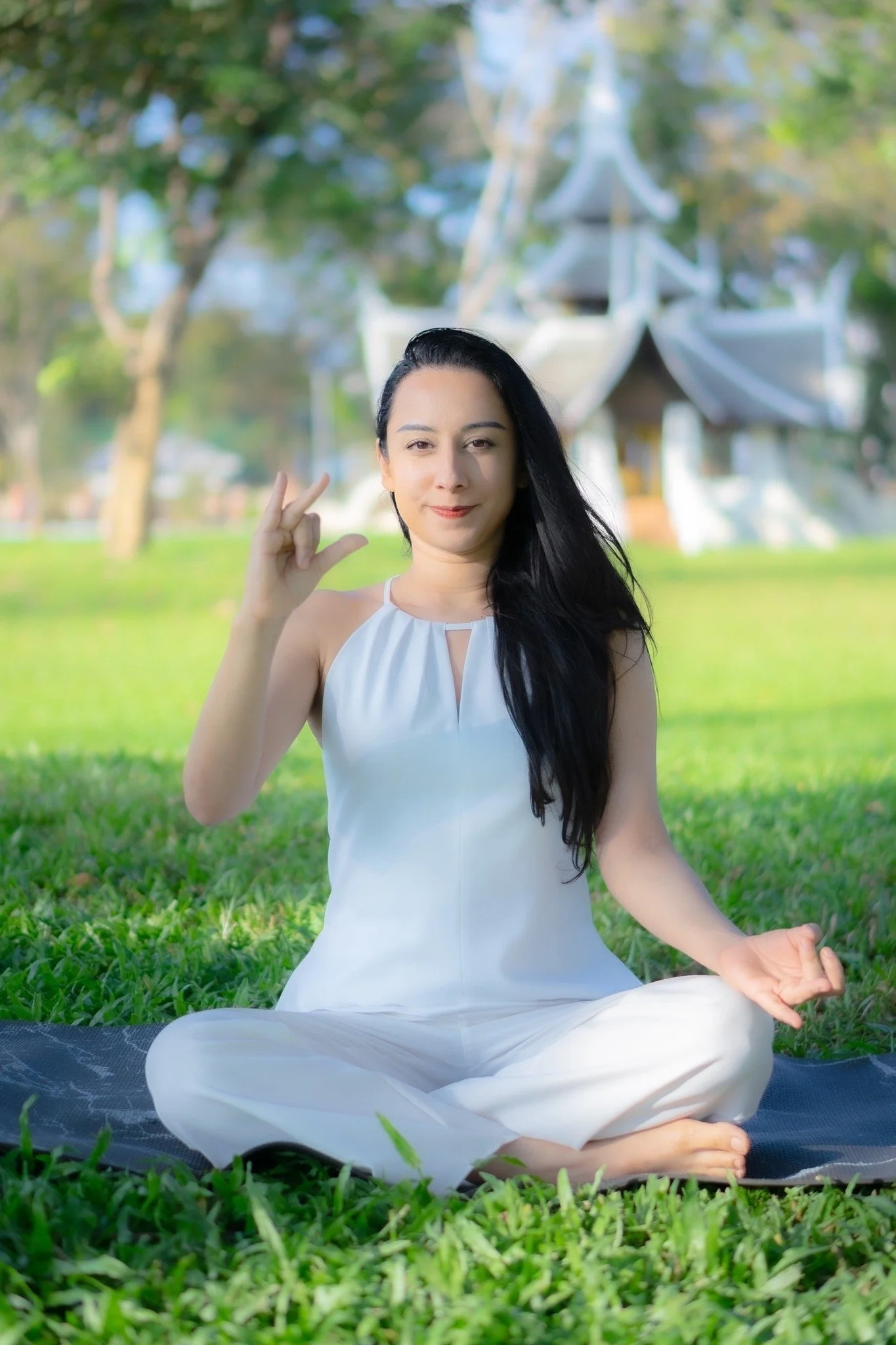
Yin Yoga is a slow-paced style of yoga in which postures are held for longer periods of time, often between three to five minutes or more. Rather than focusing primarily on muscular effort, the practice works with the deeper connective tissues of the body, including fascia, ligaments, joints, and tendons. The term “Yin” comes from the ancient understanding of Yin and Yang, the basic complementary forces that exist in balance within nature and within ourselves. Yang qualities are active, dynamic, warming, and outward-moving. Yin qualities are receptive, quiet, cooling, and inward-moving.
Modern life tends to overemphasize yang energy. We are encouraged to move faster, achieve more, stay busy, and remain constantly connected. Even exercise culture often revolves around intensity, repetition, and performance. Yin Yoga offers a counterbalance. In a Yin practice, poses are approached with softness rather than force. Muscles are encouraged to relax so that the deeper layers of the body can gradually release tension over time. Breath awareness and stillness become central aspects of the experience.
This does not mean the practice is always easy. Remaining still for several minutes can reveal both physical resistance and mental restlessness. Yet this is part of the practice itself. Yin Yoga creates an opportunity to observe discomfort, cultivate patience, and develop a different relationship with the body and mind. Rather than trying to “achieve” a posture, Yin Yoga encourages staying with it and listening.
The Physical Benefits of Yin Yoga
One of the most recognized benefits of Yin Yoga is its ability to improve flexibility and mobility in a sustainable and supportive way. Because postures are held for longer periods with relaxed muscles, gentle stress is placed on connective tissues that are often neglected in more dynamic forms of exercise. Over time, this may help improve range of motion and reduce feelings of stiffness in areas such as the hips, spine, shoulders, and hamstrings:
Supporting Fascia and Connective Tissue
In recent years, increasing attention has been given to fascia, the web-like connective tissue that surrounds muscles, organs, and joints throughout the body. A sedentary lifestyle, repetitive movement patterns, stress, and lack of mobility can contribute to feelings of restriction within these tissues.
Yin Yoga’s long-held shapes encourage hydration and adaptability within the connective tissues, helping the body feel more spacious and mobile. Many practitioners report feeling lighter, more open, and less compressed after regular practice. This makes Yin Yoga particularly valuable for:
People with screen-based lifestyles
Athletes and runners
Strength training practitioners
Cyclists
Anyone experiencing chronic tightness from stress or repetitive movement
Improving Joint Mobility
Unlike muscular stretching alone, Yin Yoga gently works around the joints themselves. This can support healthier movement patterns and improve overall mobility, especially as our bodies age. The practice is often beneficial for maintaining mobility in the hips and spine, areas that tend to accumulate tension from long periods of sitting and inactivity.
Reducing Physical Tension
Stress is not only mental. The body also stores tension physically. Many people unconsciously tighten the jaw, shoulders, hips, abdomen, or lower back throughout the day. Yin Yoga creates conditions in which the body can gradually shift out of habitual contraction patterns. Through slow breathing and extended stillness, the nervous system begins to settle, and the body often follows. This is one reason why many practitioners leave a Yin Yoga class feeling both deeply relaxed and physically refreshed.
The Mental and Emotional Benefits of Yin Yoga
While the physical benefits of Yin Yoga are significant, many people continue practicing because of the profound effect it has on the mind and nervous system. In modern culture, silence and stillness can feel unfamiliar. Many of us either got used to multi-tasking, or to move from task to task without pausing long enough to fully notice how we feel. Mental overstimulation becomes normalized, alongside a lack of present moment awareness. Yin Yoga helps to interrupt this pattern, as the slower pace of the practice encourages a shift away from constant mental activity and toward a more grounded and aware state of being.
Supporting the Nervous System
The human nervous system is deeply affected by stress, stimulation, and lifestyle habits. Constant pressure and overstimulation can leave the body in a prolonged state of “fight or flight,” often associated with anxiety, restlessness, poor sleep, and fatigue. Yin Yoga helps activate the parasympathetic nervous system, sometimes referred to as the “rest and digest” state. Through slow breathing, stillness, and mindful awareness, the body receives signals that it is safe to soften and relax. For many people, this becomes one of the most healing aspects of the practice. After a Yin session, practitioners often describe feeling:
Calmer
Mentally quieter
More emotionally balanced
More connected to themselves
Developing Mindfulness and Presence
In a culture driven by distraction, Yin Yoga becomes an opportunity to practice presence. When postures are held for several minutes, there is nowhere to rush. Thoughts arise, sensations appear, emotions may surface, and the mind gradually becomes more observable. This meditative quality is one of the reasons Yin Yoga is often described as a bridge between physical yoga practice and meditation. Rather than escaping experience, practitioners learn to stay with it gently and consciously.
Emotional Release and Self-Awareness
The body and emotions are deeply interconnected. Tension, stress, and unresolved emotional patterns can manifest physically over time. While Yin Yoga is not therapy, many people experience emotional release during practice. Slowing down and spending time in stillness can create space for emotions that are often ignored or suppressed in daily life. This process can feel surprisingly grounding and clarifying. Over time, Yin Yoga may help cultivate:
Greater emotional awareness
Patience
Resilience
Self-compassion
Yin Yoga and the Need for Balance
Traditional yoga was never about physical exercise. At its core, yoga is a system intended to purify body, mind, and energy, while cultivating balance and awareness. Yin Yoga reflects this understanding beautifully. Modern lifestyles tend to glorify productivity, movement, and external achievement. Rest is often treated as something earned rather than something essential. Yet without recovery, balance becomes impossible. The body needs effort and restoration while the mind needs focus and stillness. Yin Yoga reminds us that slowing down is not laziness. In many cases, it is necessary.
For highly active individuals, Yin Yoga can become an essential complement to more intense physical training. For those experiencing stress and burnout, it can provide a pathway back toward nervous system balance and inner calm. The practice teaches that softness is not weakness. Stillness itself can become transformative.
Why Yin Yoga Is Especially Relevant Today
The growing popularity of Yin Yoga is not accidental. It reflects a deeper need emerging in modern life. Many people today experience:
Screen fatigue
Chronic stress
Shallow breathing
Overstimulation
Sleep difficulties
Constant mental noise
Even leisure time is often filled with scrolling, multitasking, and digital distraction. Practices that encourage genuine slowing down are becoming increasingly rare and increasingly valuable. Yin Yoga offers a space where nothing needs to be achieved for an hour. There is no competition, no pressure to perform, and no need to push beyond the body’s limits. Instead, the practice invites a different quality of attention, one based on awareness, patience, and listening.
This is part of what makes Yin Yoga so accessible. One does not need to be highly flexible, athletic, or experienced to begin. In fact, many people discover Yin Yoga precisely at moments when they feel overwhelmed, depleted, or disconnected from themselves. The practice meets people where they are.
Yin Yoga Practice at Sacred Grounds CNX
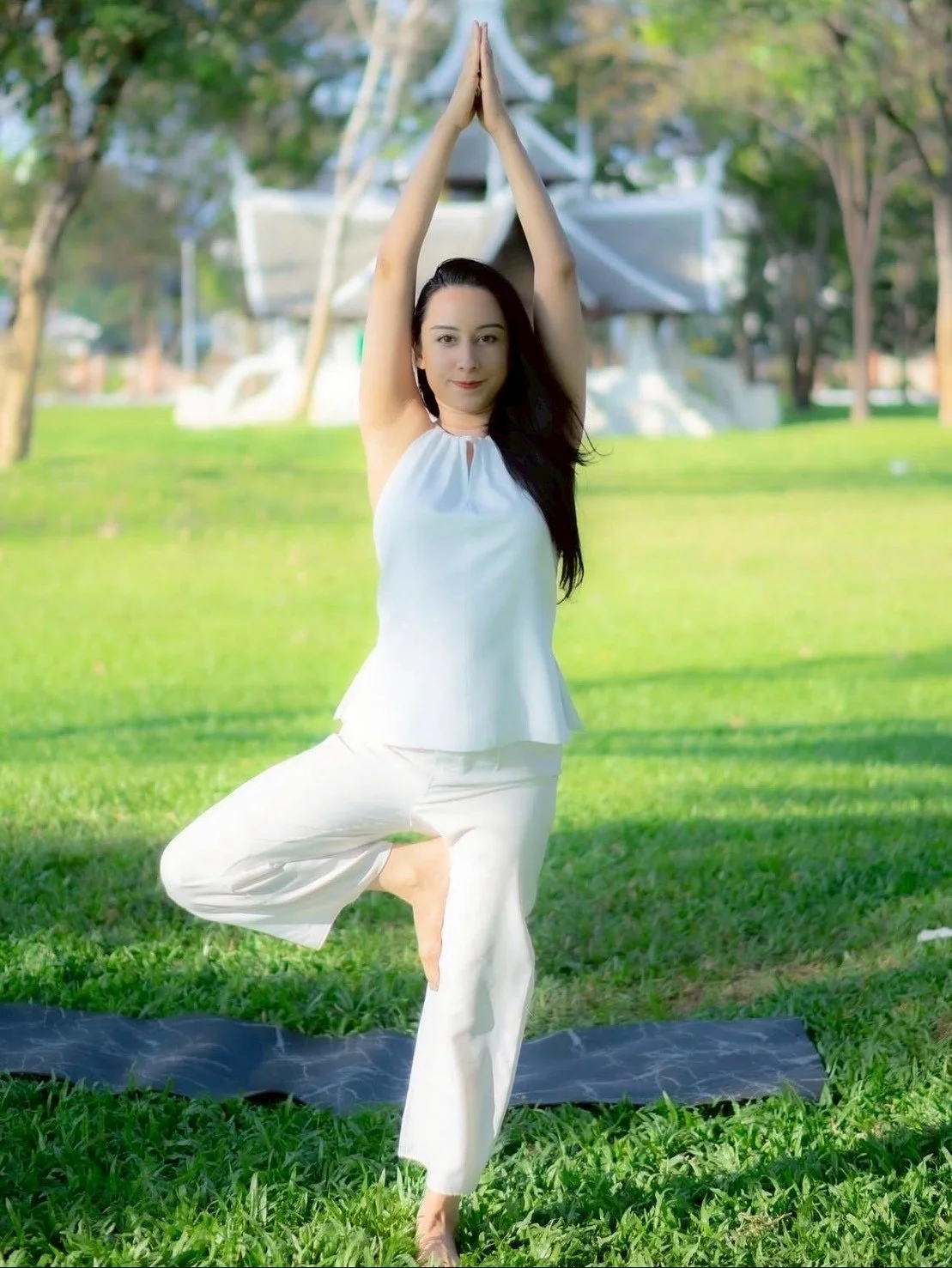
For those wishing to explore Yin Yoga in a calm and supportive environment, Sacred Grounds CNX in Hang Dong, Chiang Mai offers weekly Yin Yoga classes guided by Sanya.
Held in the peaceful atmosphere of the our newly finished yoga studio, these sessions are designed to support nervous system balance, mindful awareness, flexibility, and deep rest. The approach is grounded, accessible, and welcoming to all levels, including complete beginners. Rather than focusing on performance or intensity, the classes emphasize presence, breath, and creating space within both body and mind.
For many participants, the experience becomes a dedicated moment in the week to slow down, reconnect, and restore balance amidst the demands of modern life. Whether you are completely new to yoga, physically active and seeking recovery, or simply looking for a more meditative and restorative practice, Yin Yoga can offer a valuable complement to everyday life.
A Practice of Listening
Yin Yoga teaches something that modern culture often forgets: not everything needs to be forced. Sometimes healing begins not through doing more, but through learning how to pause. Within stillness, we begin to notice the body more clearly. Breath deepens. The mind softens. Space opens where tension once lived. Over time, Yin Yoga becomes less about touching the toes or improving flexibility, and more about cultivating a different relationship with ourselves one rooted in awareness, patience, and balance.
In a fast-moving world, that may be one of its greatest benefits of all join us at Sacred Grounds for a practice of Yin Yoga with Sanya.