
Have you ever found yourself wondering why the same relationship struggles seem to follow you from one partner to the next Perhaps you keep feeling abandoned when your partner needs space or time off. Maybe you find yourself pulling away whenever a relationship starts becoming more serious. Or perhaps you keep attracting partners who seem emotionally unavailable, despite promising yourself that this time it will be different.
Many people assume their relationship difficulties are caused by the person they're currently with. Sometimes that's is indeed the case. But more often than not, the deeper issue lies elsewhere, within ourselves. Many of our relationship challenges are not created by the current relationship. They are old survival strategies repeating themselves in our relationship dynamics. This is where understanding attachment styles can be transformative.
Attachment theory offers a powerful framework for understanding why we behave the way we do in relationships, why certain conflicts keep repeating, and how we can begin creating healthier, more fulfilling connections.
What Are Attachment Styles?
Attachment styles are patterns of relating that develop early in life and continue to influence our adult relationships. As children, we depend entirely on caregivers for safety, comfort, and emotional connection. Through thousands of interactions, our nervous system begins to form conclusions about relationships:
Can I trust people?
Will others be there when I need them?
Is it safe to express my emotions?
Do I need to work hard to earn love?
The answers to these questions become deeply embedded within us, often outside of conscious awareness. Over time, these early experiences create an internal blueprint for relationships. This blueprint influences how we approach intimacy, how we handle conflict, how we communicate our needs, and how we respond when we feel threatened or vulnerable.
These patterns are known as attachment styles. Importantly, attachment styles are not personality traits. They are adaptive strategies. They developed because they helped us navigate the environment we grew up in. And more than boxes to put ourselves in, they are a frame of reference to look at our relationships, understand ourselves and our relational patterns. The truth is that what once helped us survive, may not always help us thrive in adult relationships, it might even be hindering us to go much deeper with our partners.
How Childhood Experiences Shape Adult Relationships
Children are remarkably adaptable. When caregivers are emotionally available, responsive, and consistent, children generally learn that relationships are safe. They develop confidence that they can seek support when needed and maintain their sense of self at the same time. But not all childhood environments provide this experience.
Some children grow up with caregivers who are unpredictable. Sometimes they are loving and attentive, and other times they are distant or unavailable. These children may learn to become hyper-aware of others' moods and signals in order to maintain connection. Others grow up in environments where emotional needs are discouraged, ignored, or dismissed. They may learn that vulnerability is risky and that self-reliance is safer than depending on others. Still others experience situations that create confusion around safety and connection, where the people they rely on are also sources of fear, instability, or emotional distress.
These early adaptations often continue into adulthood:
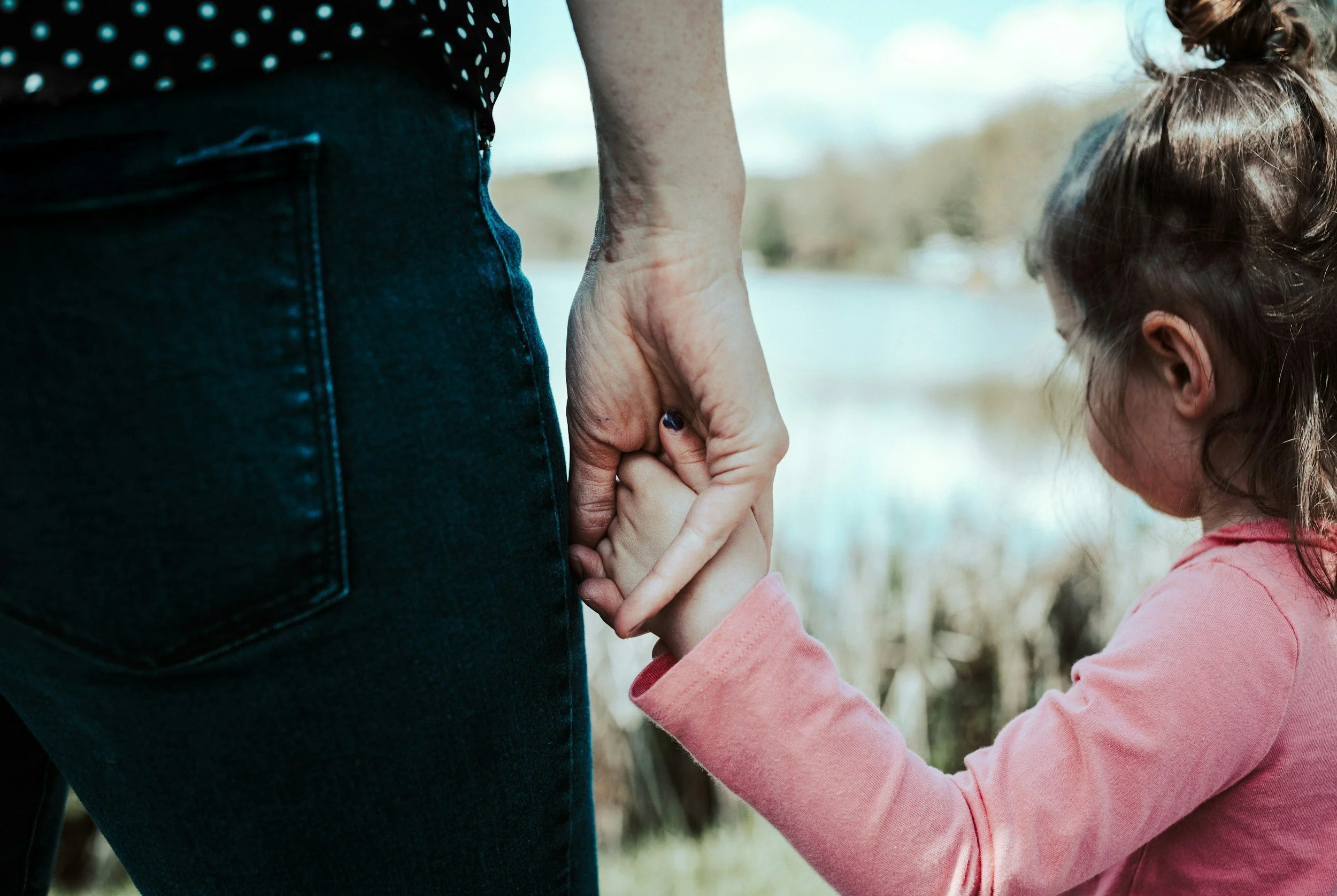
The child who learned to chase connection may become an adult who fears abandonment. The child who learned to suppress emotional needs, may become an adult who withdraws when intimacy deepens.
The challenge is that these patterns operate automatically, or in other words, unconsciously. And as Karl Jung once said: “Until we make the unconscious conscious, it will run our lives, and we will call it fate”. Bottom line, we may believe we're responding to our current partner in a moment of trigger, when in reality we're still reacting, in a conditioned way, to experiences that occurred decades ago.
The Four Main Attachment Styles
While human relationships are complex, attachment theory generally identifies four primary attachment styles.
Secure Attachment
People with secure attachment tend to feel comfortable with both intimacy and independence. They can express their needs directly. They generally trust others without becoming overly dependent on them. They are able to maintain healthy boundaries while remaining emotionally connected.
Securely attached individuals are not perfect. They still experience conflict, disappointment, and insecurity at times. The difference is that they usually possess the skills needed to navigate those challenges without becoming overwhelmed by them. In relationships, they tend to communicate openly, repair misunderstandings effectively, and create emotional safety for both themselves and their partners.
Anxious Attachment
People with anxious attachment often crave closeness and connection, in order to feel safe, and fear losing it. Relationships can become a source of intense emotional highs and lows. They may find themselves seeking reassurance, overanalyzing messages, worrying about rejection, or becoming highly sensitive to signs of distance from a partner:
A delayed reply to a text message can trigger anxiety.
A partner needing personal space can feel like abandonment.
A minor disagreement can feel like a threat to the relationship itself.
At the core of anxious attachment is often a deep fear that love may disappear if constant effort is not maintained. The desire for connection is genuine, and in a certain way, similar to that of a secure attachment style. The challenge is that the strategies used to secure connection can often create additional tension within the relationship.
Avoidant Attachment
People with avoidant attachment value independence and self-sufficiency. While they may desire love and connection, they often feel uncomfortable when relationships become emotionally intense or demanding. They may pull away during conflict, struggle to express vulnerable emotions, or feel overwhelmed when a partner seeks greater closeness.
In many cases, avoidant individuals learned early in life that relying on others was disappointing or unsafe. As a result, they became highly skilled at meeting their own needs and minimizing dependence on others. From the outside, they may appear emotionally distant. Internally, however, many avoidant individuals still long for connection. The challenge is that intimacy can activate discomfort and vulnerability that they have spent years learning to manage through distance.
Disorganized Attachment
Disorganized attachment combines elements of both anxious and avoidant patterns. People with this attachment style often desire closeness while simultaneously fearing it. Relationships can therefore feel confusing and contradictory, as part of them wants intimacy, while another part wants to run from it as fast as possible.
They often move between pursuing connection and withdrawing from it, creating a push-pull dynamic that from the outside feels difficult to understand. These patterns often develop in environments where safety and fear became intertwined. Disorganized attachment can create significant relationship challenges, but it is important to remember that these patterns developed as attempts to cope with difficult circumstances. They are not signs of weakness or failure, nor do they say anything about a person’s deeper feelings.

Why Opposites Often Attract Each Other
One of the most common relationship dynamics involves a pairing between anxious attachment and avoidant attachment. At first, the connection often feels, special, magnetic, intense. The anxious partner admires the avoidant partner's confidence and independence., while the avoidant partner appreciates the warmth, affection, and emotional openness of the anxious partner.
But as intimacy deepens, old attachment strategies begin to emerge in both of them. And while, the anxious partner seeks reassurance and closeness, the avoidant partner seeks space and autonomy, thus creating a polarity without noticing that deepens gradually: the more one pursues, the more the other withdraws, and the more the other withdraws, the more the first pursues.
Over time, both partners feel misunderstood. The anxious partner feels rejected, and the avoidant partner feels pressured. Conflict escalates, even though neither person intends harm.
What makes this dynamic so challenging is that both individuals are responding to deeply ingrained survival strategies, rather than consciously choosing their reactions. Neither of them is the problem. The pattern in them is the problem.

Why the Same Relationship Patterns Keep Repeating
Many people eventually notice a frustrating trend:
Different partner - Different circumstances - Same emotional struggle.
Perhaps every relationship ends with feelings of abandonment. Perhaps every relationship eventually feels suffocating. Perhaps every relationship seems to involve emotional distance, mistrust, or recurring conflict. Some people even report having been in opposite roles already, depending on the partner, but with the same basic dynamic. Why does this happen? Because our nervous systems are drawn toward what feels familiar. And thus, so are we. Familiarity is not always the healthier choice. However, the patterns we learned early in life often become our unconscious definition of “love”.
The hard truth is that we often find ourselves attracted to people who activate familiar emotional experiences, because those experiences feel known, familiar, even if they are painful. It’s what we know. And until these patterns become conscious, they often continue repeating. This does not mean we are doomed to relive the past, but rather that awareness must come before change.
One of important insight in personal growth is this: We often do not choose what is healthiest. We choose what feels familiar. And recognizing this tendency is in it self the beginning of a profound shift in all of us.
Can Attachment Styles Change?
The encouraging news is that attachment styles are not fixed. They can change. Research shows that people can develop what is often called earned secure attachment through intentional personal growth, healthy relationships, and corrective emotional experiences. Exercising self-awareness is the first step. When we begin to recognize our attachment patterns, we gain the ability observe our behaviour, as our old patterns unfold. With time and intention, we slowly learn to pause, instead of react ing automatically.
With time, awareness and consistency, we become more capable of understanding our emotional triggers, we learn to communicate needs more clearly, we create space between old fears and present-day reality, and with patience and self-acceptance, we slowly develop greater emotional regulation.
This process can happen through therapy, intimacy coaching, conscious relating, men's work, women's work, mindfulness practices, support groups, workshops, journaling and honest self-reflection.
The goal here is not perfection, but increasing freedom, slowly and steadily. Freedom to take the time to respond, rather than reacting right away. Freedom to choose connection over self-protection, when appropriate. Freedom to go deeper in relationships based on the present rather than the past.

The First Step Toward Deeper Connection
Understanding attachment styles can be one of the most powerful starting points for transforming your relationships and therefopre our lives. When we begin to see our patterns clearly, we stop blaming ourselves and we stop blaming others. Instead, we recognize that many of our relationship challenges are rooted in adaptations that once served an important purpose. So awareness makes space in us and creates choice.
The fears, reactions, and relationship patterns that have shaped your past do not have to determine your future. Not even the people you attract or feel attracted to. By understanding anxious attachment, avoidant attachment, secure attachment, and the deeper dynamics that influence emotional intimacy, we become better equipped to create healthy relationships built on trust, honesty, and connection. This understanding forms an important foundation for deeper relational work.
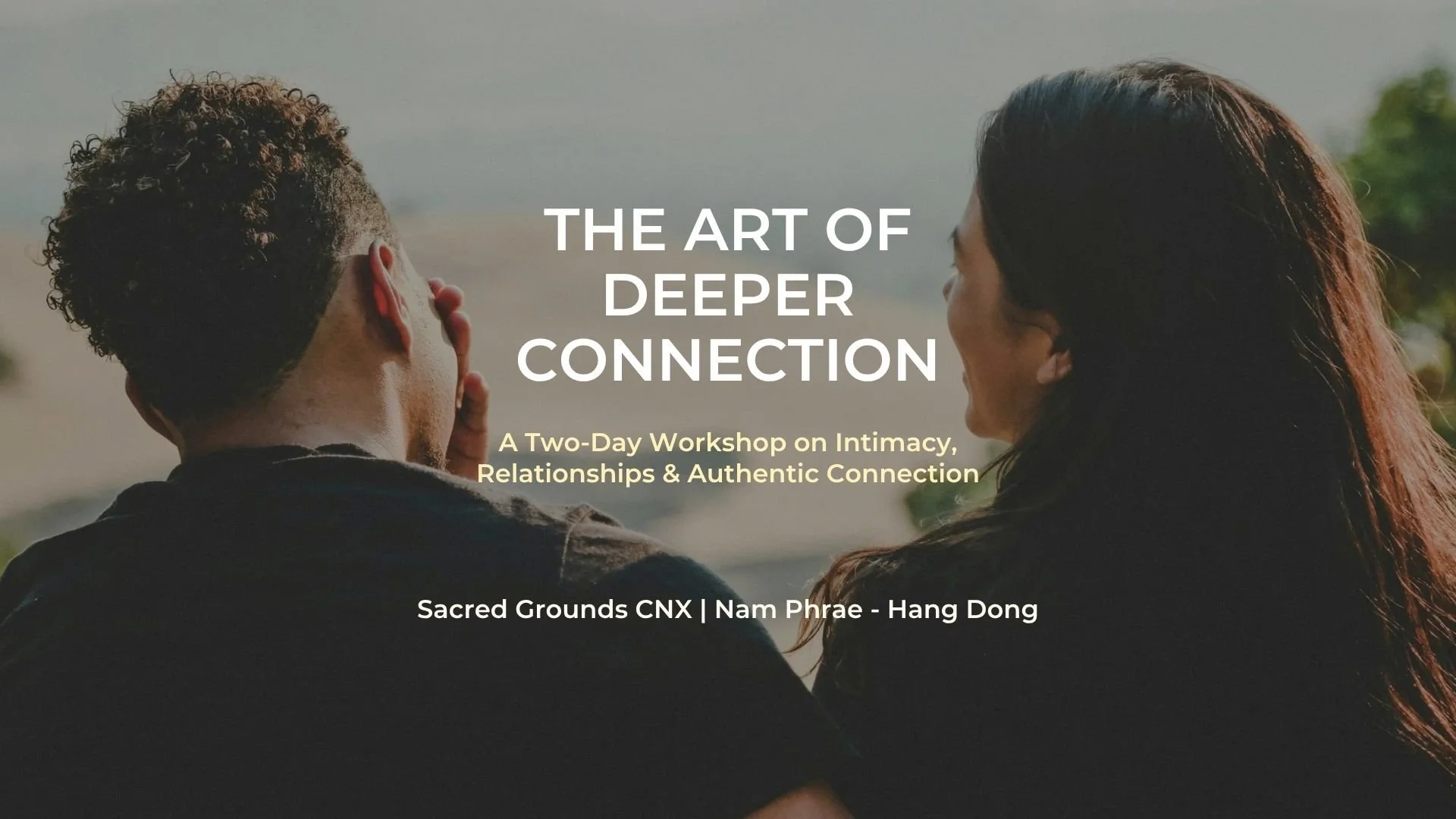
In The Art of Deeper Connection, a workshop that I offer for both individuals and couples, participants explore the unconscious patterns that influence relationships, learn practical tools for emotional awareness and authentic communication, and develop the capacity for greater intimacy, trust, and meaningful connection.
Because lasting change rarely begins with finding the perfect partner, but rather begins with going deep within ourselves and understanding the patterns we bring into every relationship. And from that understanding, something new becomes possible.
Join us for The Art of Deeper Connection workshop and take the first step toward creating more conscious, authentic, and fulfilling relationships.