Hatha Yoga: A Path of Inner Balance
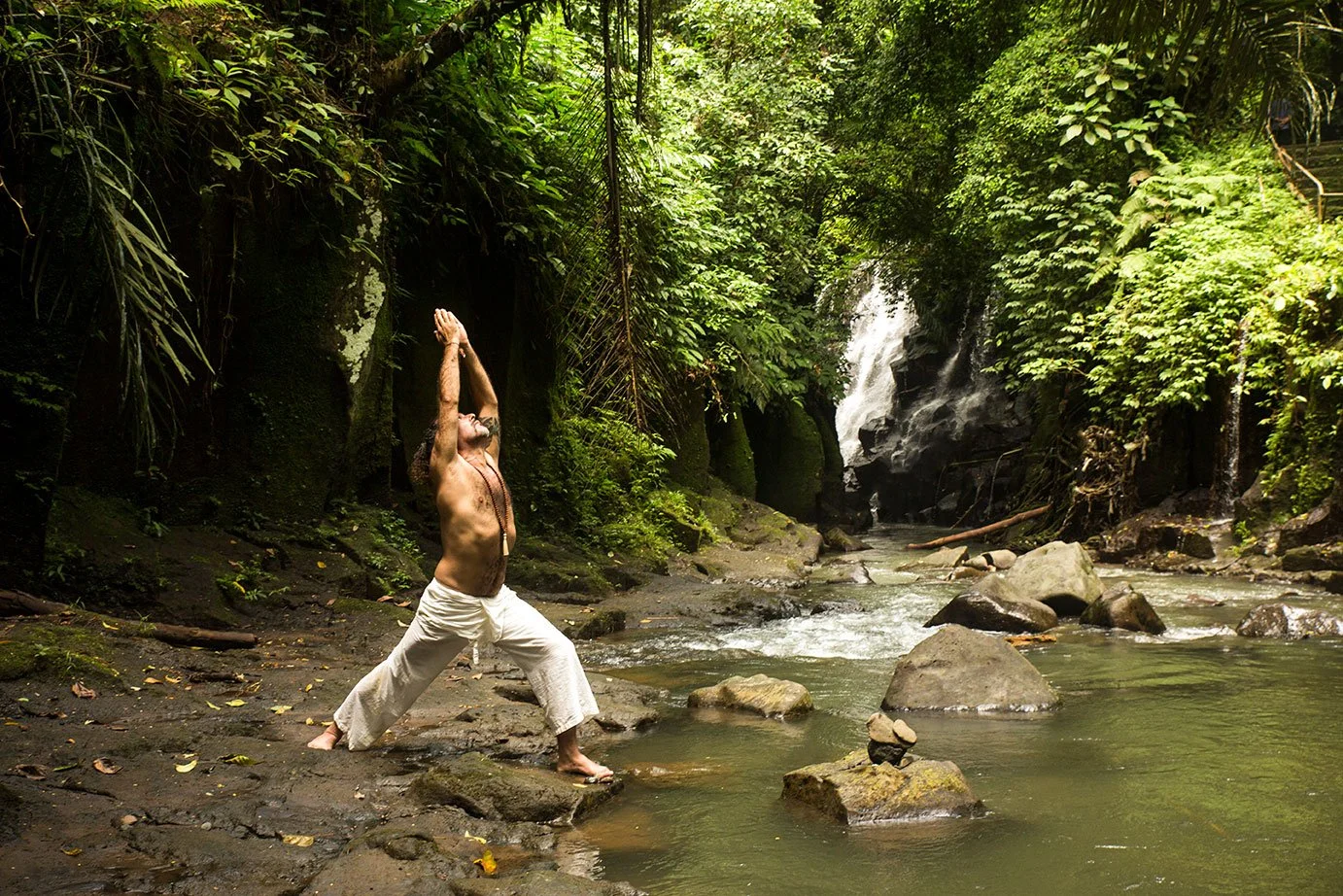
In today’s world, the word “yoga” often evokes images of fitness studios, acrobatic postures, instagram flexibility, and carefully curated aesthetics. While physical movement can certainly be beneficial, traditional Hatha Yoga was never intended to be merely a system of exercise or performance.
At its heart, Hatha Yoga is a profound path of inner balance, conscious embodiment, energetic refinement, and ultimately liberation. It is a system designed not only to strengthen the body, but to harmonize the forces within the human being, starting with breath and awareness, effort and surrender, stillness and movement, energy and consciousness.
The word Hatha itself points toward this deeper understanding. “Ha” traditionally symbolizes the solar principle: vitality, dynamism, heat, outward expression, and activating force. “Tha” represents the lunar principle: receptivity, coolness, intuition, inwardness, and awareness. Together, Ha and Tha describe the union of complementary polarities within the human experience.
Sun and moon.
Shiva and Shakti.
Consciousness and energy.
Masculine and feminine.
Action and stillness.
Hatha Yoga, in its original sense, is the art of bringing these forces into relationship and harmony, through direct embodied experience.
Hatha Yoga as a Path of Integration
Even before Buddhism, traditional yogic systems understood that human suffering arises from fragmentation. Me and others. Attachment and aversion. The mind moving in one direction while the body moves in another. Our nervous system constantly overstimulated. Energy scattered. Most of us live our whole lives disconnected from our own body, breath, sensations, intuition, and inner stillness. Our attention is continuously focused outward.
The purpose of Hatha Yoga was never simply to develop flexible bodies. It was to cultivate integration, in the begining of one’s deeper path to awakening. Through breath, movement, awareness, meditation, energy and attention practices, the practitioner gradually becomes more unified within themselves.
The body is no longer treated as an object to perfect, but as a vehicle for awareness. This is one of the great misunderstandings surrounding modern yoga culture. Much of contemporary yoga understandably emphasizes physical health, mobility, and stress reduction. These are valuable benefits. Yet within many traditional systems, these outcomes were considered secondary effects, mere initial fruits of one’s practice, not the ultimate aim. The deeper purpose was transformation of consciousness.
In classical Hatha traditions, the body was viewed neither as an obstacle nor as an aesthetic project. It was seen as a sacred instrument through which awareness could awaken more fully. The practices were designed to refine perception, regulate the nervous system, purify gross and subtle energy channels, stabilize attention, and prepare the practitioner for deeper states of awareness. This is why traditional Hatha Yoga integrates far more than Asana (yogic postures) alone.
Breath and energy practices
Bandha (energetic locks).
Meditation
Pranayama
Visualization during practice
Concentration
Mantra chanting
Energetic cultivation.
All of these elements (among others) belong to the larger ecosystem of Hatha Yoga.
The Shaivist and Tantrik Roots of Hatha Yoga
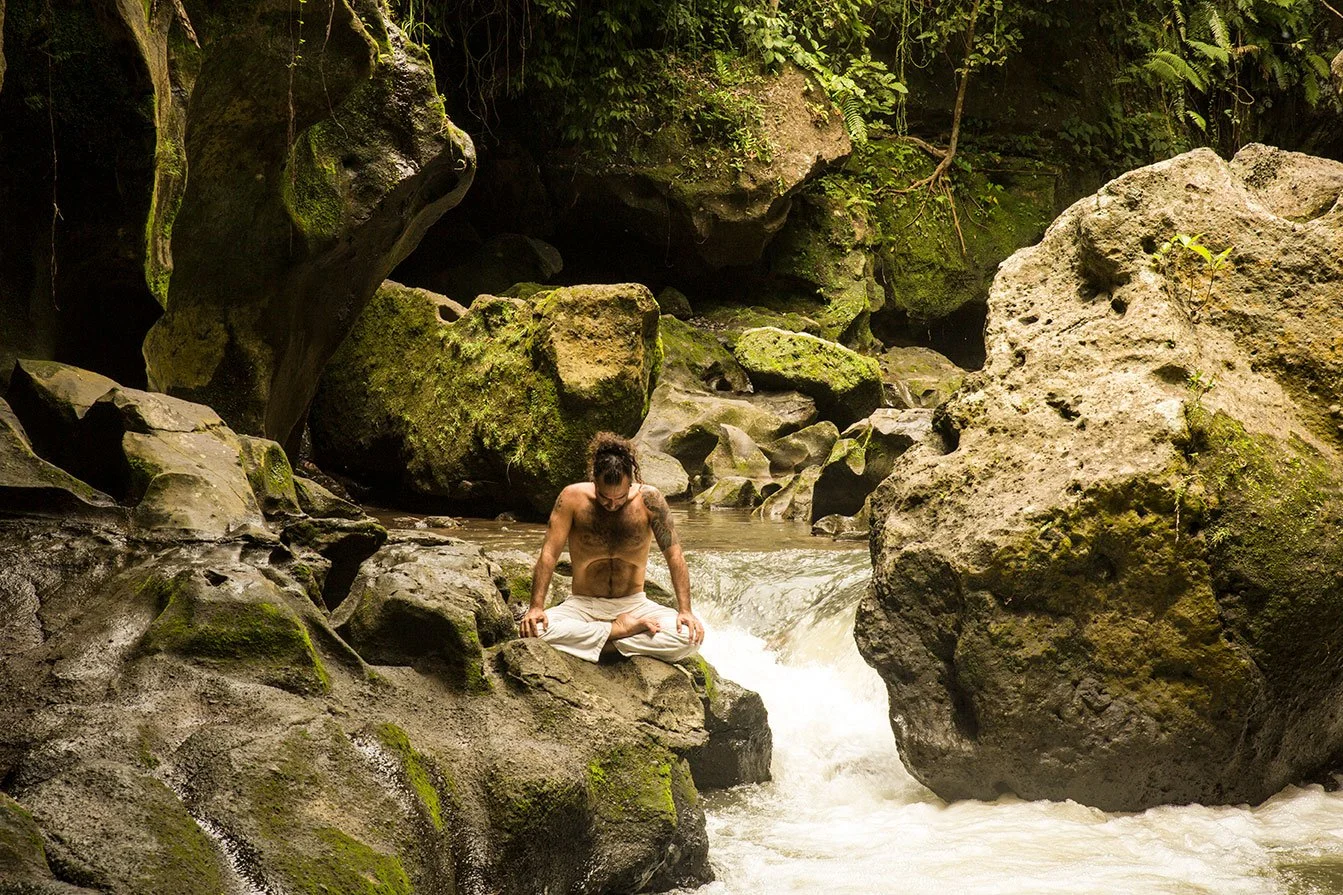
Many modern practitioners are surprised to discover that Hatha Yoga has its roots within early Shaivist and Tantrik traditions. Hatha Yoga was a Tantric practice from it’s very origin (for this reason also known as Kundalini Hatha Yoga).
In these systems, yoga was never about external achievement. It was about awakening direct experience of consciousness through embodied practice. Rather than rejecting the body, early Tantrik practitioners saw the body as a gateway, a vehicle to awakening.
Awareness was cultivated not by escaping or numbing oneself to life, but by integrating all aspects of it and becoming fully present in every moment. Embracing life fully, without any attachment or aversion, including the most painful sides of our human experience, such as loss, impermanence and death, has always been one of the core practices of yogic life.
As yoga evolved, breath soon became a bridge between body and mind. Movement practiced as a form of meditation. The nervous system became a field of practice. Energy was something experiential and observable through practice and awareness.
Within the early yogic traditions emerged methods for working consciously with prana (life force energy) and with the subtle channels, known as nadis.
Practices evolved to balance and refine body, energy and mind:
strengthening both gross and subtle body
stabilising desires and emotional states
cultivating vitality
paving the way for deeper realization
This is also where the relationship between Hatha Yoga and Kundalini Hatha Yoga becomes important. Kundalini Hatha Yoga encompasses the broader system of traditional practice. It is not separate from Hatha Yoga, but rather expresses the dimension of its deeper energetic and transformational potential.
At Sacred Grounds CNX, these teachings are approached with reverence, humility, and respect for the lineages and masters who preserved them across millennia. No single teacher or even tradition owns yoga. Yogic systems of practice and teachings are the result of centuries of refinement, peer reviewed transmission, devotion, experimentation, and practice carried through countless yogis, sages, householders, renunciates, and lineage masters. To practice yoga in a meaningful way is also to cultivate gratitude toward those who kept these traditions alive.
Beyond Studio Yoga
At Sacred Grounds CNX, we deeply respect all sincere approaches to yoga. Every path has value, and movement itself can be profoundly healing. At the same time, it is important to clarify that what we offer is not primarily “studio yoga” in the modern commercial sense.
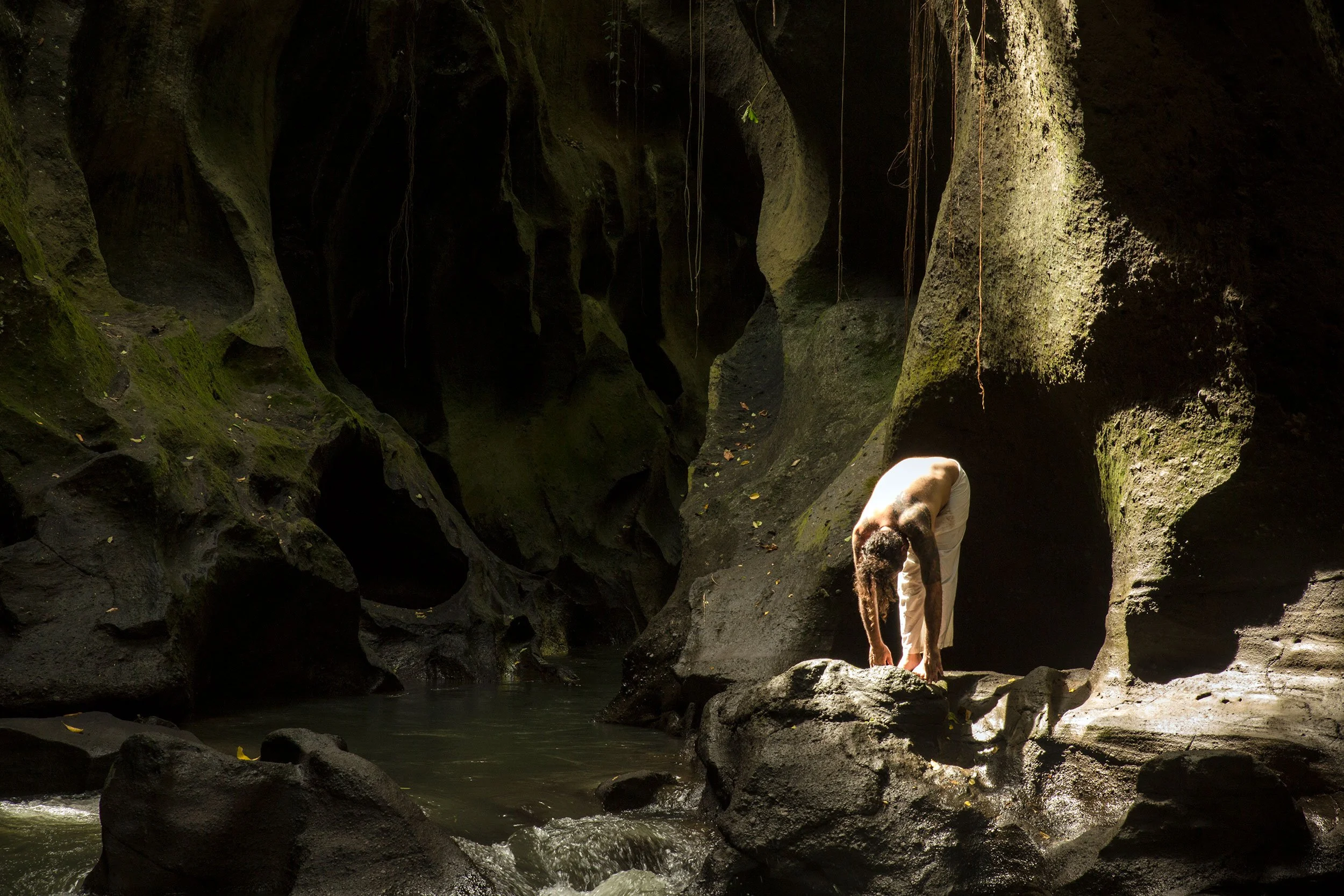
The focus here is not on acrobatic performance, flexibility, aesthetic achievement, or pushing the body toward idealized shapes. The emphasis is on conscious embodiment. This means learning how to inhabit the body and life more fully, exactly as it is.
Breathing with awareness
Learning to regulate and calm the nervous system
Practicing groundedness and centeredness
Cultivating steadiness of body, energy and mind.
In this approach, even simple movements can become profound practices when done with awareness. A posture is not important because it looks advanced, but it rather becomes meaningful because of the quality of presence brought into it.
The breath matters, as well as attention and awareness of our inner state. This already changes the orientation of practice entirely. Yoga therefore ceases to be something we perform externally and becomes something we experience internally. For many practitioners, just this shift brings an unexpected sense of relief.
Hatha Yoga as Conscious Embodiment
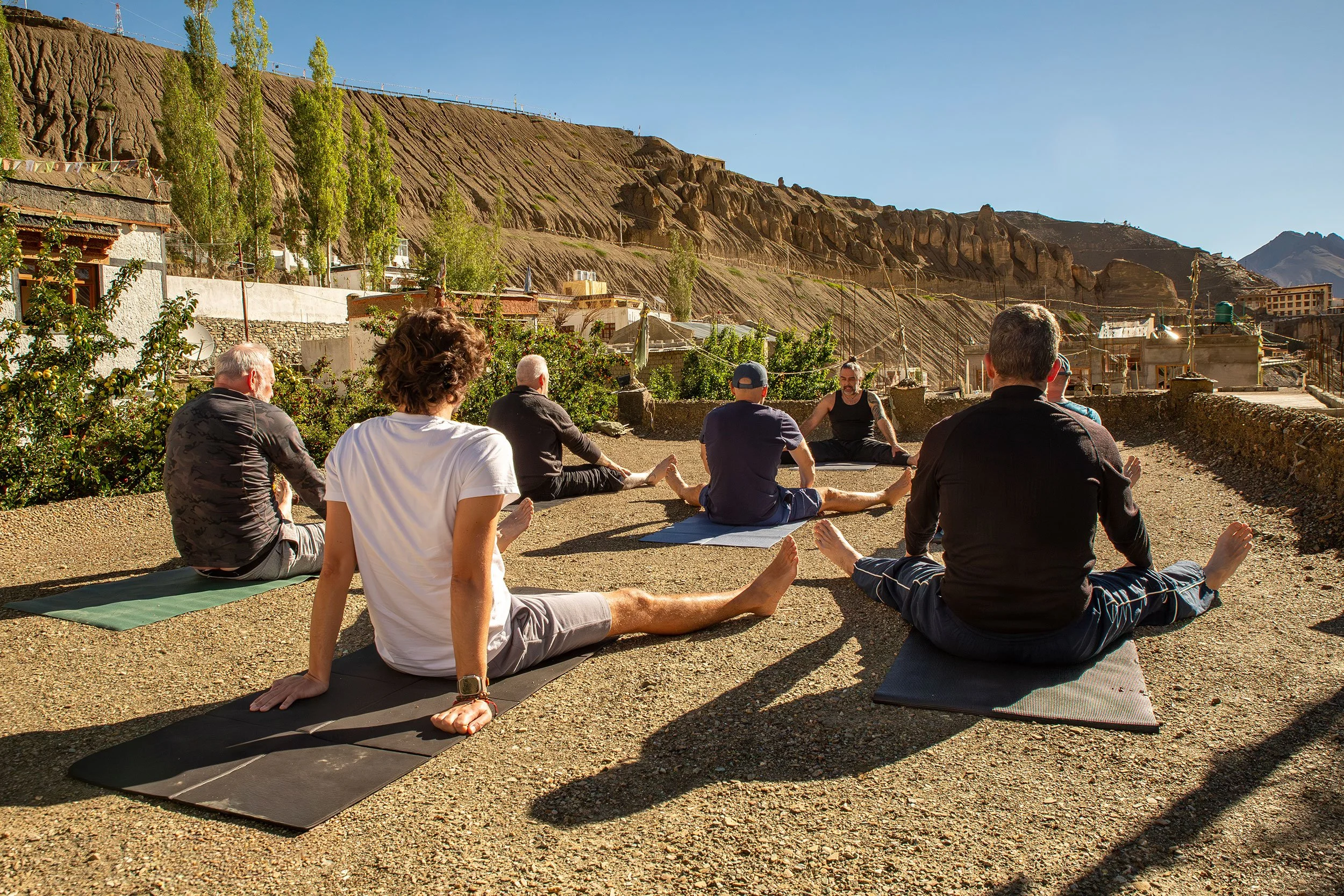
One of the most beautiful aspects of traditional Hatha Yoga is that it meets people where they are. Contrary to common assumptions, yoga was never reserved only for the young, flexible, athletic, or physically advanced. By the contrary: yoga was, since it’s origin, prescriptive according to the practitioners needs. There were no yoga classes until the last decades. Yoga was first prescribed by teacher to student according to his/her needs. And as the student progressed, he/she would learn to self prescribe it on a daily basis.
Thus, authentic practice adapts to the practitioner, never the other way around. The purpose of yoga is not physical perfection. The purpose of practice is intimacy with one’s inner experience and conscious participation in one’s own life.
Besides, subtle practices can often be more transformative than dramatic ones.
A conscious breath
A relaxed nervous system
A moment of genuine stillness
The ability to remain present with strong sensation and emotions
These are not small things. In a world characterized by overstimulation, chronic stress, constant self-numbing, distraction, and disconnection from the body, the ability to simply become present again is already such powerful medicine.
Traditional Hatha Yoga helps cultivate:
Stronger and steadier body, energy and mind
Deeper attention
Emotional balance
Greater self-awareness
Groundedness
Resilience
Overall deeper connection
Over time, practitioners often begin to notice subtle but meaningful changes.
Breathing becomes less shallow
Body softens and tonifies
Mental agitation decreases
Sleep improves
Attention stabilizes
Reactivity lessens
One begins to feel more integrated in every aspect of his/her human experience.
Rebalancing the Elements at Sacred Grounds CNX
At Sacred Grounds CNX, Sankalparāja offers a practice called Rebalancing the Elements, which serves as an accessible introduction to the deeper principles of traditional Kundalini Hatha Yoga. This practice is part of the Way of Fire, a system rooted in the conscious embodiment practices of early Shaivist Tantrik Yoga.
The approach is gentle, grounded, and inclusive. The movements themselves can be practiced with small or large ranges of motion, making the practice accessible to people of different ages, body types, and physical conditions. What matters most in this practice is the constant awareness of breath, movement and posture. Through this integration, practitioners begin cultivating a subtle purification and balancing of the elemental forces within themselves.
The practice also supports the strengthening and purification of the main energetic channels. Importantly, this work is approached gradually and sustainably.
Rather than aggressively pushing the body or nervous system in this stage, the emphasis is on health cultivation, regulation, embodiment, and steady development. Within the ancient yogic traditions, conscious embodiment was never about achieving idealized physical perfection. It was about becoming more present, more balanced, and more connected to life itself.
The practice of Rebalancing the Elements includes:
Yoga postures to harmonize elemental forces
Coordinated breath and movement patterns
Pranayama
Psycho-energetic locks known as bandhas
Concentration and centering practices
These practices are offered not as abstract philosophy, but as lived experience, as they invite practitioners to slow down, listen inwardly, and reconnect with the intelligence already present within the body and breath awareness.
Returning Yoga to Its Depth
Yoga continues to evolve across cultures and generations, and there is space for many expressions of practice. Yet there is also value in remembering the deeper roots of these traditions. Hatha Yoga was never only about stretching.
It was always a path of balance, awareness, embodiment and transformation. Its purpose was not to escape life, but to inhabit it more consciously, through the body. To unify breath, attention, and energy, to cultivate steadiness amidst life’s fluctuations, to bring the practitioner into deeper relationship with themselves and life itself.
In many ways, this ancient understanding feels deeply relevant today, as modern life often pulls people away from their bodies, away from stillness, and away from direct experience. Traditional Hatha Yoga still offers a way back, through practice, attention, and presence.
At Sacred Grounds CNX, we continue to honor the teachers, lineage masters, and traditions that carried these teachings forward across generations. Through practices like Rebalancing the Elements, we hope to offer a grounded and accessible doorway into the richness of this path.
Whether you are completely new to yoga or returning to practice with a desire for greater depth, the invitation remains simple: to breathe, to listen, to become present, to experience yoga not merely as exercise, but as conscious embodiment and deep inner balance.