International Yoga Day: Beyond Stretching, Yoga as Wellness, Presence, and Path
Every year on June 21st, millions of people across the world gather in parks, studios, retreat centers, temples, beaches, and community spaces to celebrate International Yoga Day. For some practitioners, yoga is as simple as a morning stretch. For others, it includes breathing techniques and meditation. For others still, yoga is a path of self-exploration, devotion, discipline, or an even deeper level, a spiritual path aimed at awakening and liberation. The beauty of yoga is that it has never belonged to only one form.
At Sacred Grounds CNX, we see International Yoga Day not simply as a celebration of physical movement, but as a reminder of humanity’s enduring search for balance, inner clarity, embodiment, and deeper connection.
In a world increasingly shaped by overstimulation and performance on one hand, and anxiety, distraction, and disconnection on the other, yoga remains profoundly relevant, perhaps more than ever, I dare say. But to truly appreciate International Yoga Day, it helps to understand where yoga came from, what it originally meant, and how it evolved into the many forms we see today.
What Is International Yoga Day?
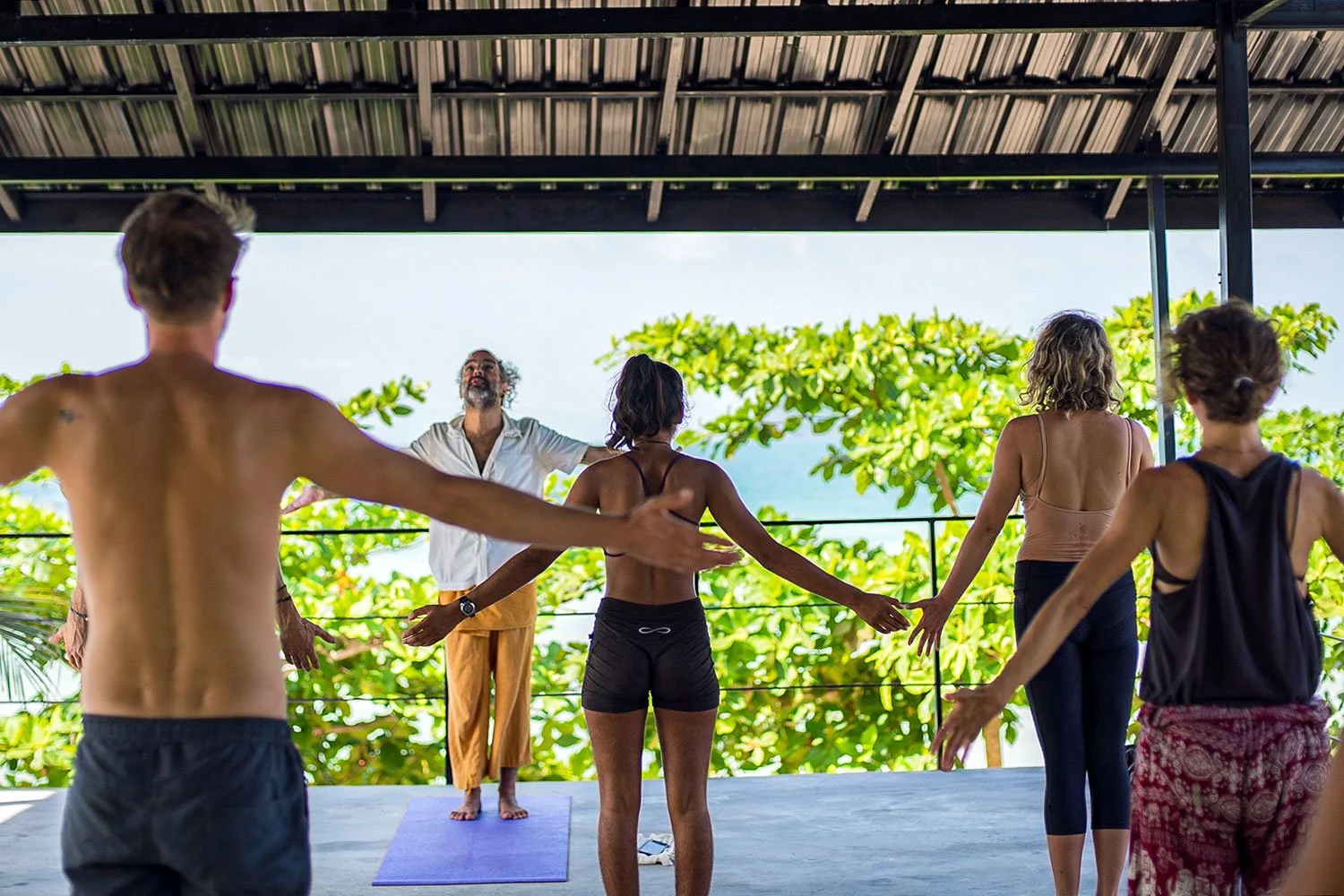
United Nations officially declared June 21st as International Yoga Day in 2014, following a proposal introduced by Indian Prime Minister Narendra Modi. The resolution received overwhelming international support, with countries around the world recognizing yoga as a valuable contribution to global health, wellbeing, and human development. June 21st was chosen because it is the summer solstice in the Northern Hemisphere, the longest day of the year, traditionally associated in many cultures with light, transformation, vitality, and spiritual significance. Since then, International Yoga Day has become a global event celebrated across cultures, religions, and nations.
In many places, the day focuses primarily on yoga as a wellness practice:
movement
flexibility
fitness
stress reduction
breathwork
mindfulness
And these benefits are real. Modern research increasingly supports what practitioners have known for generations: even though these were not the primary functions or goals of yoga, the truth is that it can help improve mobility, posture, breathing awareness, body awareness, inner awareness, and with these nervous system regulation, emotional resilience, sleep quality, and overall wellbeing. But, as I mentioned above, yoga did not originally emerge as a fitness system. Its roots go far, far deeper.
Yoga Was Originally a Path of Liberation
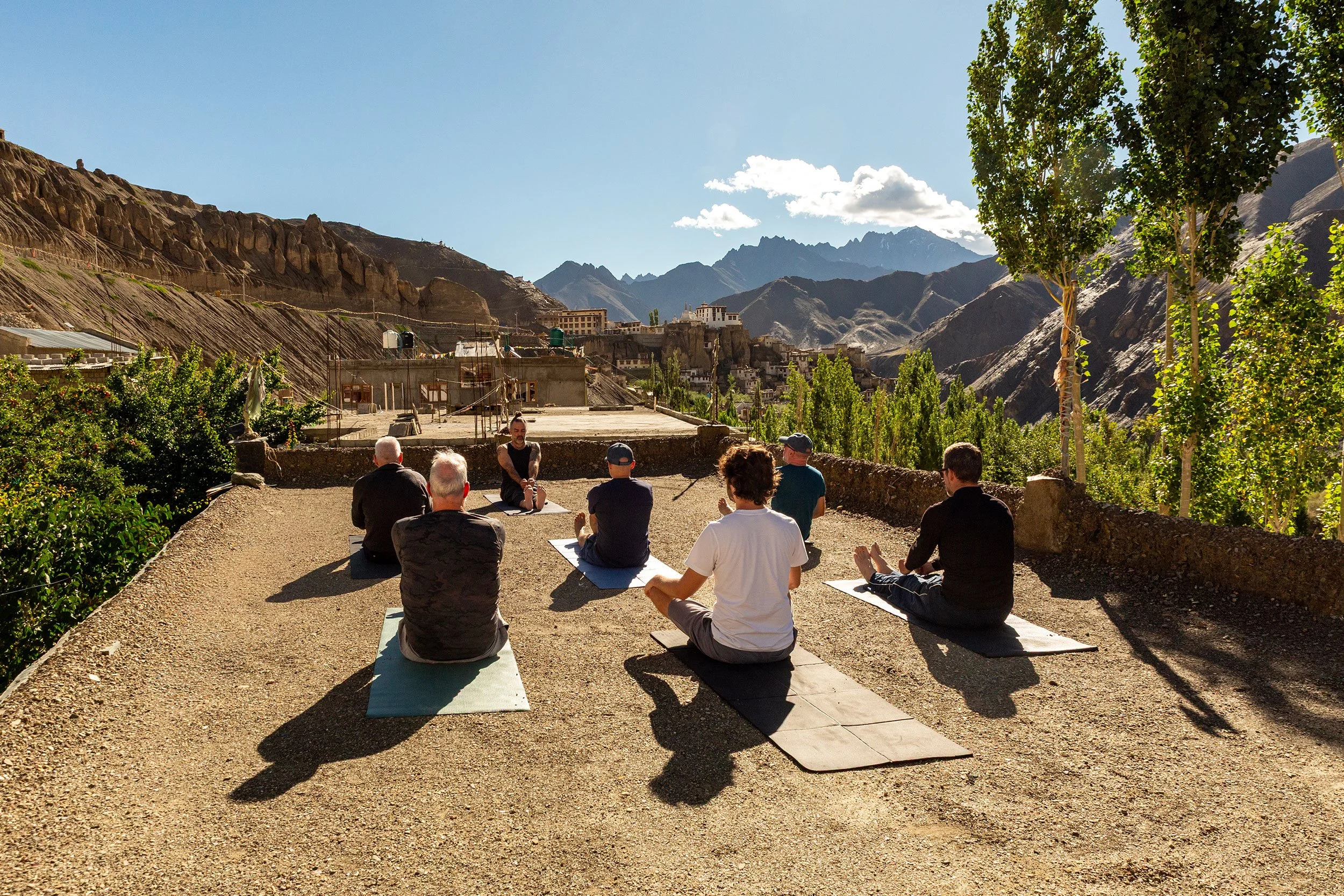
The word “yoga” comes from the Sanskrit root yuj, often translated as “to yoke,” “to unite,” or “to integrate.” Historically, yoga referred not simply to physical exercise, but to a broader and more encompassing system of practice, intended to transform consciousness of oneself.
The ancient yogic traditions of India were deeply concerned with questions such as:
Who are we beneath the personality?
Why do humans suffer?
What is consciousness?
What is freedom?
Can the mind become still?
Is there a deeper reality beyond ordinary perception?
Long before yoga studios, branded mats, and athletic flows existed, yoga was practiced by renunciates, mystics, householders, contemplatives, and spiritual practitioners seeking direct insight into the nature of mind.
Physical postures, or asana, what many today call “yoga” were only one very small part of much larger systems that included:
meditation
pranayama (energetic practices that use breathing techniques)
concentration
visualization
mantra
ritual
devotion
energetic practices
self-observation
contemplation
precepts or principles of conduct
In many traditions, the body was not worshipped for appearance, but cultivated as a vessel for awakening to one’s true nature.
The Living Traditions of Yoga and Contemplation
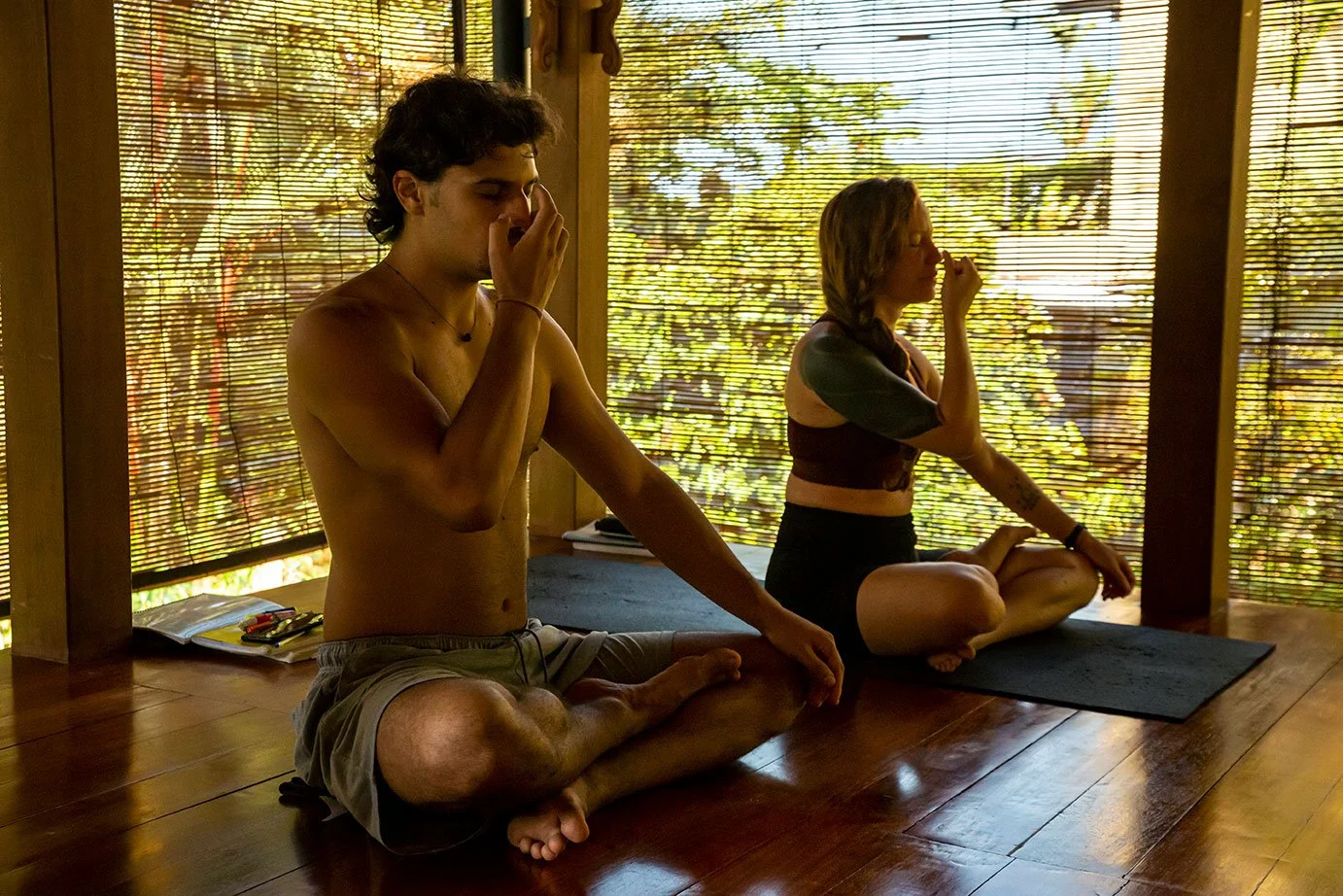
Even today, there are a few living lineages, based mostly on oral transmission, that preserve yoga primarily as a spiritual and contemplative path. Among them are various Shakta-Shaiva traditions of India, Himalayan yogic traditions, and contemplative systems connected to Tibetan Buddhism and Tibetan Bön.
These traditions often emphasize:
liberation from suffering
awakening awareness
meditation
subtle energy practices
self-inquiry
compassion
realization of one’s true nature
In Shaiva traditions, for example, practices may focus on recognizing consciousness itself as sacred and fundamental. On a deeper level, meditation practices are not applied for stress relief, but as a doorway into perceiving the ultimate nature of reality.
Tibetan spiritual traditions similarly use posture, breath, visualization, mantra, and meditative absorption as methods for transforming perception and awakening deeper states of awareness. These traditions are very deep, rich, much more sophisticated than one might think, and require not just years of dedicated study and practice, but also and more importantly the guidance of a Teacher that is recognized by peers (not self-proclaimed) whithin the lineage that he teaches.
It is crucial to understand that these traditions are not mere “old versions” of modern studio yoga. They are clear and distinct paths with distinct aims that are far beyond wellbeing. Their primary goal is not fitness or flexibility. It is awareness and transformation.

Modern Studio Yoga: A Different and Valuable Evolution
At the same time, modern postural yoga (also known as studio yoga) has its own legitimate value. What most people encounter today in yoga studios across the world, Vinyasa, Power Yoga, Yin Yoga, Hot Yoga, mobility or flexibility focused classes, wellness yoga, and many contemporary Hatha-based systems, evolved through a complex blend of:
traditional yogic influences
Indian physical culture
modern anatomy
global wellness movements
athletic training systems
meditation traditions
Modern yoga, however, is not automatically shallow. It has value and brings much benefit to the world. For millions of people, yoga classes become:
the first time they slow down
the first time they breathe consciously
the first time they feel present in their body
the first time they experience stillness
the first doorway into meditation and self-awareness
That matters deeply. In a world where many people feel disconnected from their bodies, overwhelmed by information, emotionally exhausted, or trapped in chronic stress, even a simple mindful yoga class can become profoundly healing. A person may arrive seeking back pain relief, flexibility, better sleep, reduced anxiety, fitness, and unexpectedly discover presence, awareness, emotional clarity, deeper questions about life, spiritual curiosity, community.
For many practitioners, modern yoga is not the end of the journey. It is really just the beginning.
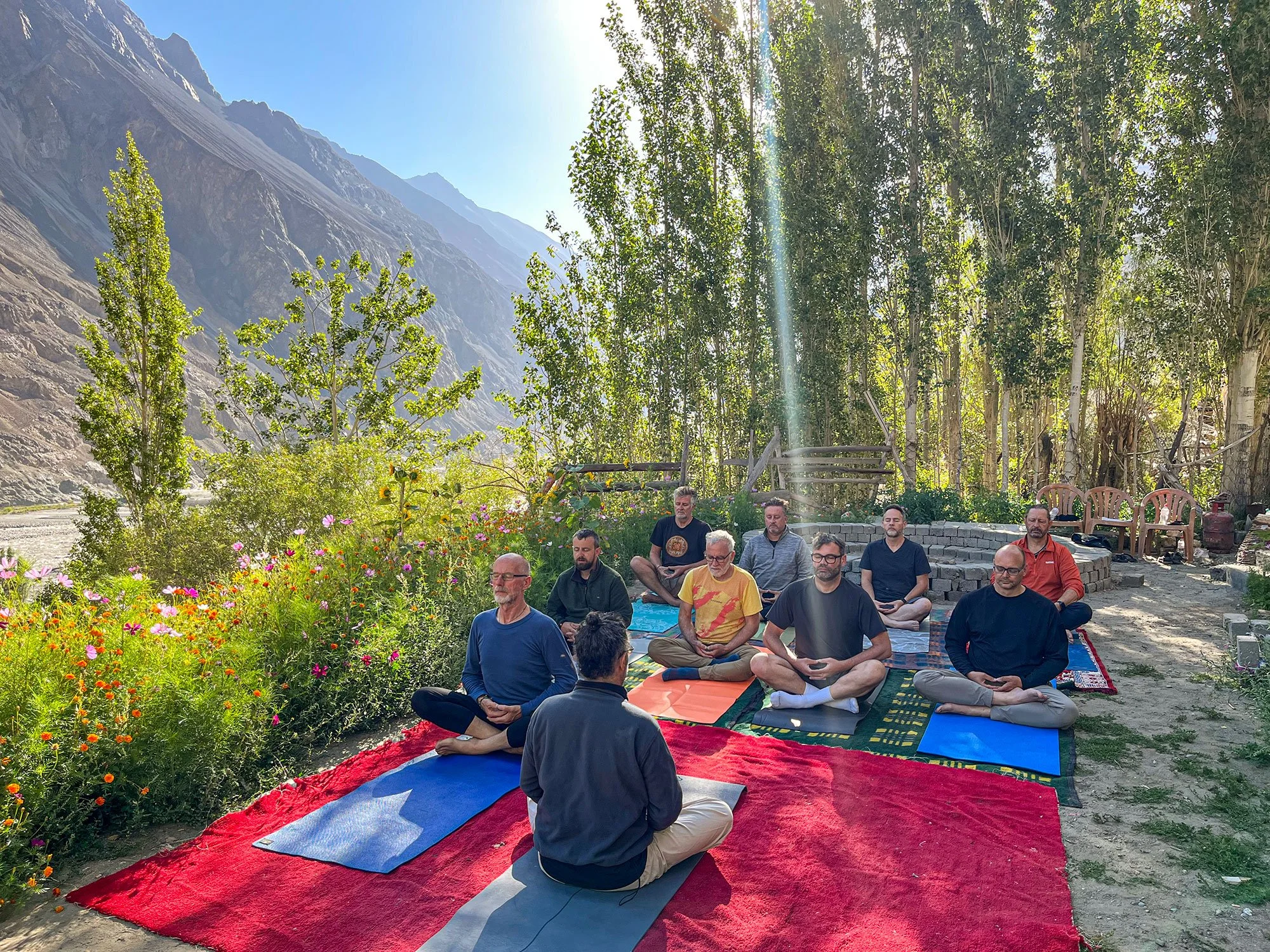
Yoga in the Modern World: Why It Matters More Than Ever
One reason yoga continues spreading globally is because it responds directly to many conditions of modern life. We live in a culture of constant stimulation, digital overload, speed, fragmentation, comparison, polarization, chronic stress, nervous system exhaustion.
The sad reality is that many people spend most of their lives disconnected from body, breath, silence, stillness, community, self-reflection. Yoga, even in its simplest form, offers a counterbalance, a return to all of these, while helping people embrace, accept and inhabit reality more consciously.
A genuine yoga practice, whether more physical, meditative, or spiritually deeper can help cultivate:
body-awareness
living in the body (embodiment)
attention
resilience
grounding
self-awareness
emotional regulation
steadiness
presence
And perhaps most importantly, it creates space. Space to pause, to observe, to reconnect. In an overly stimulated world that constantly pulls our attention outward, yoga gently turns awareness inward again.
Beyond Performance: Returning Yoga to Presence
One challenge in modern wellness culture is that yoga can sometimes become absorbed into the same performance-oriented mindset people are trying to escape.
Social media often emphasizes:
body image
extreme flexibility
aesthetics
difficult poses
performance
This is where yoga, no matter what form or direction it takes, can go wrong, becoming simply a superficial form of exotic workout. And that is not what yoga is about. Traditionally, yoga was never about impressing others. It was about becoming present and aware of oneself. The deepest purpose of yoga is not to perfect the body in any way. It is to transform your relationship to your own experience of self. Sometimes that transformation happens through movement, sometimes through stillness, sometimes through meditation, sometimes through conscious breathing. Or simply through learning to sit quietly and observe the mind. This is why many practitioners eventually begin exploring practices beyond posture alone.
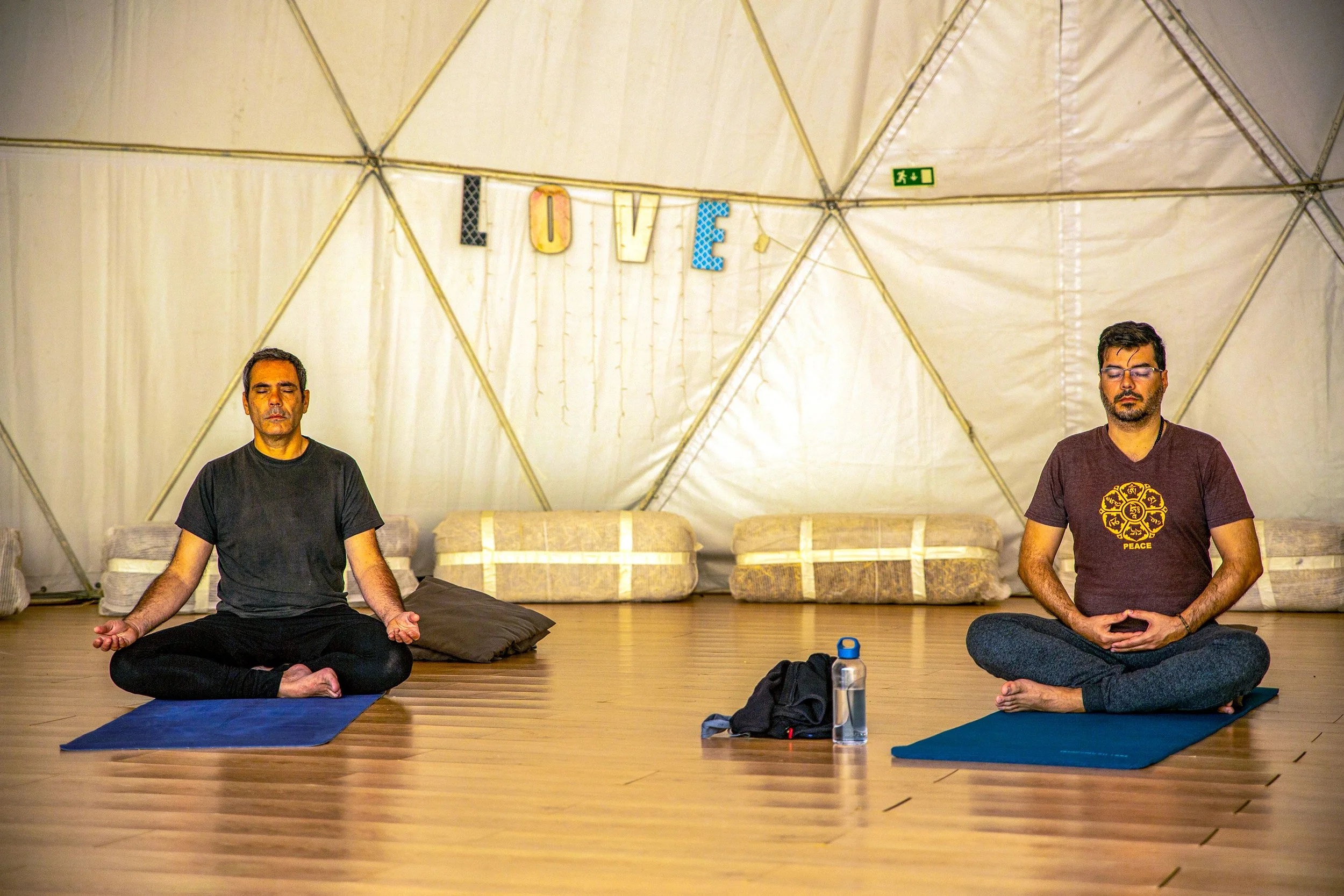
Yoga and Meditation at Sacred Grounds
At Sacred Grounds CNX, we honor both dimensions of yoga:
yoga as a wellness practice
yoga as a deep transformative path
Our intention is not to separate these worlds, but to create a bridge between accessibility and depth. Some people arrive wanting movement, flexibility, healthier routines, stress management, grounding. While others seek to deepen their own practice through meditation, inner clarity, deeper exploration. They are all welcome.
Sacred Grounds offers a growing range of practices and classes, including:
Hatha Yoga
Kundalini Hatha Yoga
Meditation
Mind of Shiva meditation techniques inspired by Trika Shaiva tradition
Other contemplative meditation practices
Sun Salutation sessions
These practices are approached in a grounded, accessible, and grounded way. No previous experience is required. It begins simply by practicing with presence, and awareness of your breath.
Celebrating the 12th International Yoga Day at Sacred Grounds CNX
This International Yoga Day, we invite the community to come together in celebration of movement, breath, awareness, and connection. The primary theme for this year’s International Yoga Day is "Yoga for Wellness, Wisdom, and World Peace".
Rather than focusing only on the physical dimension of yoga, our intention is to create a day that reflects the broader spirit of the tradition:
wellbeing
contemplation
community
embodiment
presence
inner balance
Our special International Yoga Day program at Sacred Grounds will include:
free yoga practices
free meditation sessions
connection with community
Whether you are completely new to yoga, a long-time practitioner, interested primarily in wellness, curious about meditation, exploring ancient traditions or simply looking for a grounded community space, you are welcome.
International Yoga Day is about remembering something essential: that wellbeing is not found in over-stimulation, or over-achievement. It begins with something far simpler: a deeper breath, a moment of stillness, conscious movement, a quieter mind. A return to ourselves.
To learn more about classes, events, and the International Yoga Day celebration, visit Sacred Grounds CNX.