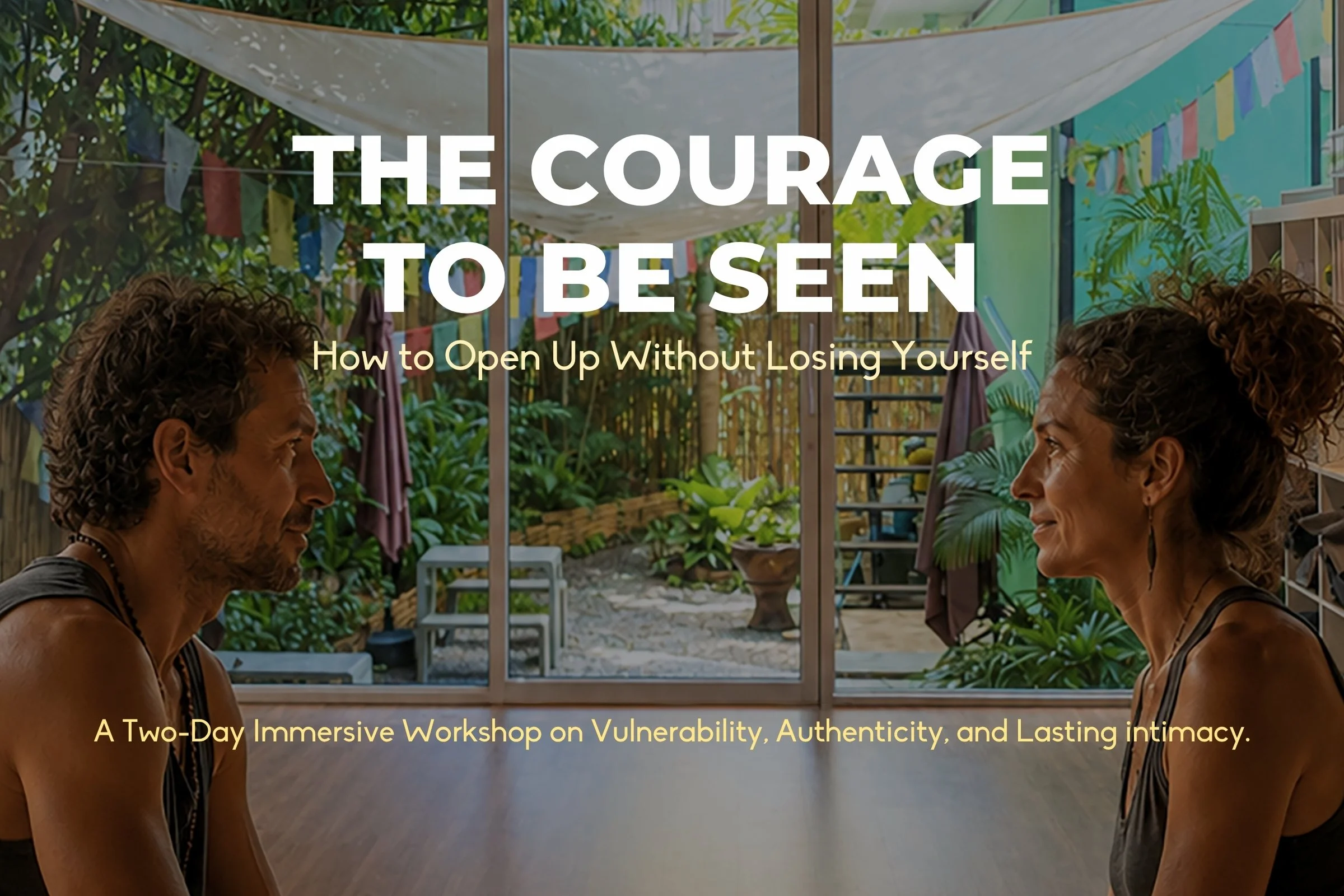
The Courage to Be Seen: Authenticity, Vulnerability, and Why We Hide
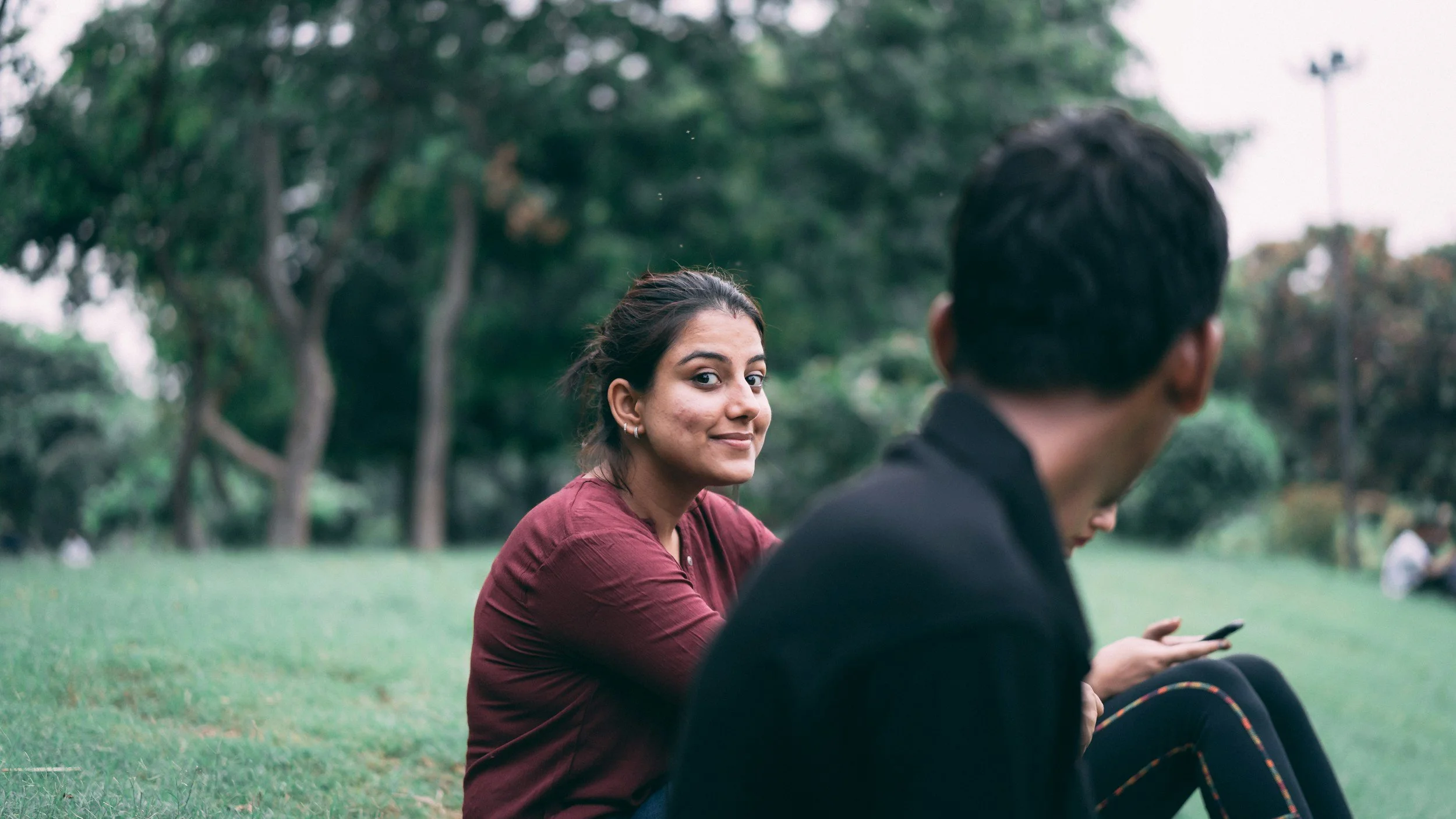
There is a quiet contradiction at the heart of many of us: We long to be known, accepted, and loved for who we are. And yet, in countless small ways, we edit ourselves before others ever have the chance to meet us. We soften our opinions. We hide our uncertainty. We say "yes" when we actually felt "not this time." We perform competence when we're overwhelmed, confidence when we're afraid, independence when what we really need is support. Then we wonder why our relationships can feel strangely lonely.
The greatest obstacle to authentic connection is often not that other people cannot see us. It is that we have become highly skilled at remaining unseen. Understanding why this happens is the first step toward changing it.
What Does It Mean to Be Seen?
Being seen is not the same as being noticed. You can have thousands of followers, receive constant praise at work, or be surrounded by friends and still feel deeply unseen. To be seen is to allow another person to encounter something real about you. I don’t mean a carefully managed image, rather your most authentic genuine experience. That doesn't mean revealing everything to everyone either. It means that what you express is aligned with what is true, deep within. Being seen requires two things: honesty with yourself and enough safety to let someone else witness that honesty. Neither comes easily.
Why Being Seen Can Feel So Threatening
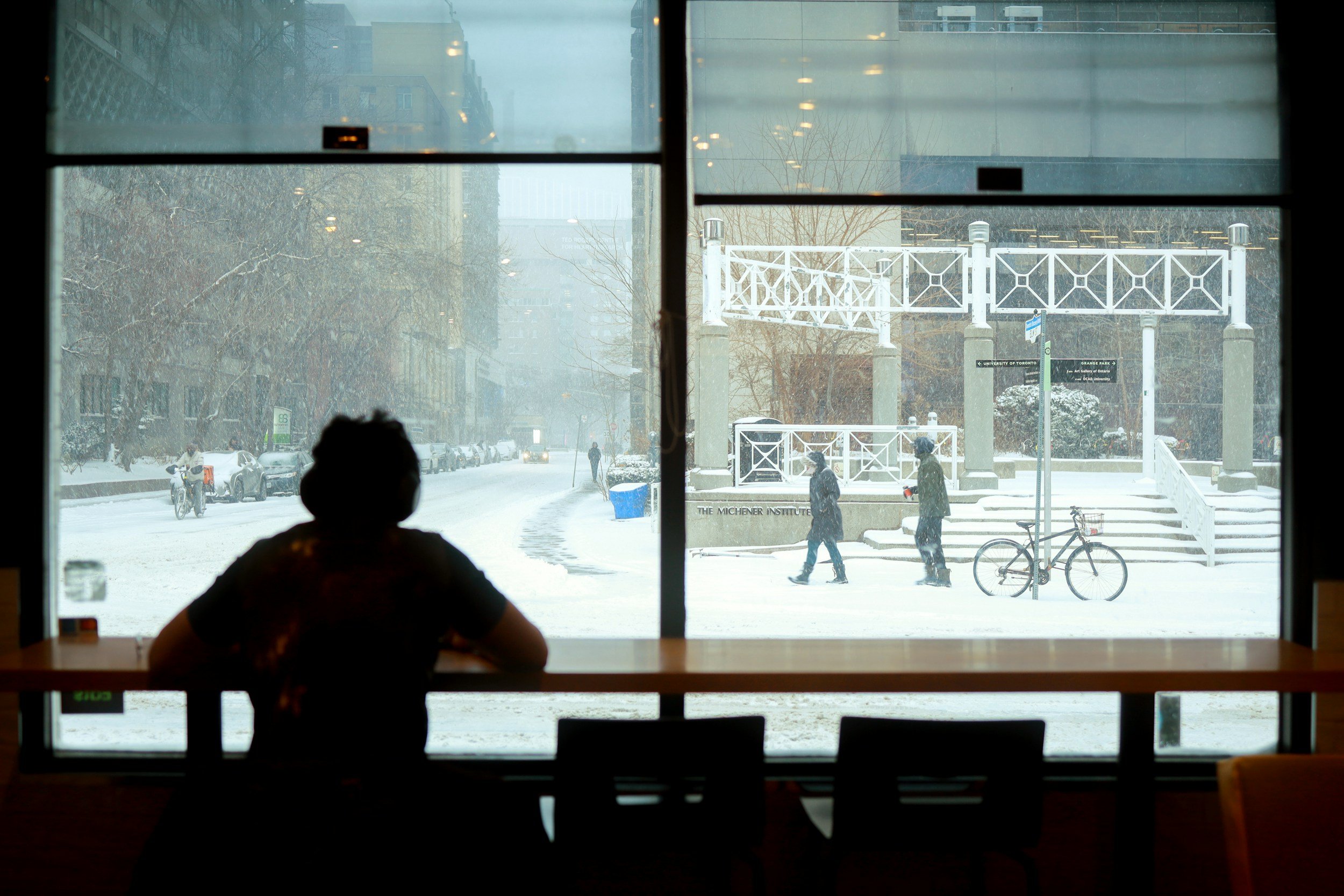
If authenticity feels threatening to you, it is not because there is something wrong with you. Human beings evolved in groups where belonging mattered. For most of our history, rejection carried real consequences. Our nervous systems became finely tuned to detect signs that we might lose connection, approval, or status. While modern life is very different, many of those protective responses remain. A critical parent, bullying at school, being laughed at for expressing emotion, learning that love depended on achievement, obedience, or keeping the peace. Experiences like these unconsciously taught us along the way that certain parts of ourselves were safer to hide. Over time, authenticity naturally began to feel less like freedom and more like exposure.

We Don't Hide by Accident
Most people imagine hiding as something obvious. In reality, it is usually subtle. We are the version of ourselves that once helped us belong. Some of us became aggreable people pleasers because conflict felt dangerous. Some became highly competent because mistakes once brought shame. Some of us learned to make jokes whenever conversations become emotionally intimate. Others stay busy enough never to notice what they are feeling. These are not character flaws, they are coping mechanisms, intelligent adaptations. The problem is that strategies that once protected us and helped us survive in the past, can eventually limit us and keep us disconnected or unable to connect deeper in the present.
The Many Ways We Stay Hidden
Hiding ourselves rarely looks like being alone in silence. Many times it looks like always being the strong one. Other times it looks like perfectionism. Sometimes it looks like explaining instead of feeling, other times like always taking care of everyone else. Sometimes it looks like never asking for help, while other times it looks like constantly trying to be interesting, successful, spiritual, funny, attractive, or indispensable.
Each strategy shares something in common: "If they only see the version of me I have carefully constructed, perhaps I won't be rejected." But the irony is that while these strategies may reduce the fear of rejection, they often reduce intimacy and genuine connection as well. People connect with what they are actually allowed to meet. If you show yourself in the surface, others will meet you in the surface. It’s as simple as that.
Presence Over Performance
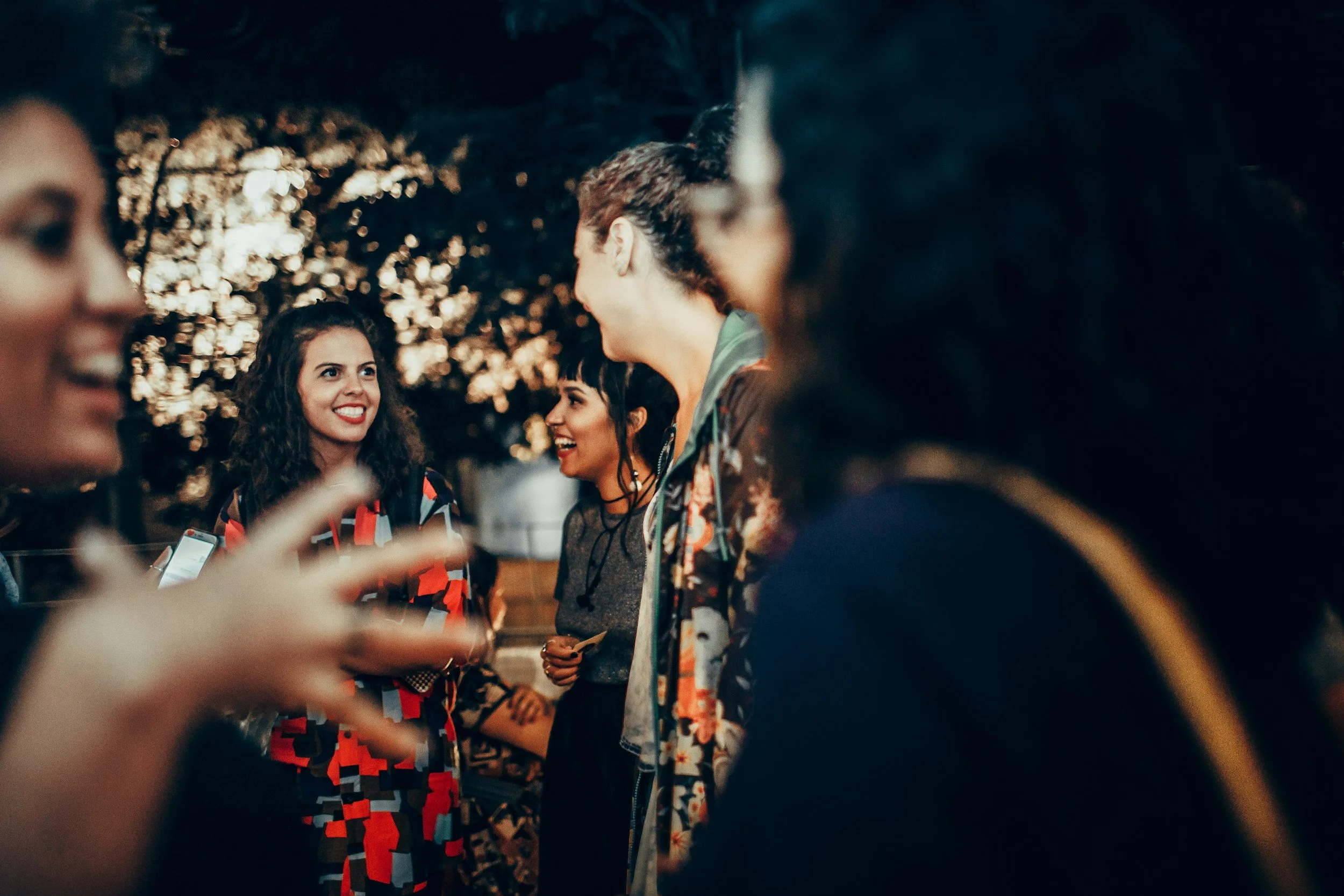
Many people confuse authenticity with saying everything they think, without any filter. Authenticity is not radical honesty nor it is emotional dumping. It is not abandoning boundaries or disregarding the impact of our words on others. Authenticity is the willingness to let our outer expression become more consistent with our inner experience. Sometimes authenticity means speaking out, other times it means remaining silent, because it reflects what is true. Sometimes it means admitting uncertainty, other times it means changing our mind over something. Authenticity is less about self-expression than it is about inner-congruence. It is the quiet practice of becoming one person, instead of maintaining different versions of oneself for different audiences.
The Paradox of Being Seen
Many of us spend enormous energy trying to manage how other people perceive us. We want to appear capable, calm, interesting, successful, approachable, easy to love. Yet every layer of performance creates another layer between ourselves and genuine connection. If someone only knows the version of you that never struggles, they cannot comfort you. If someone only knows the version of you that always agrees, they cannot discover what truly matters to you. If someone only knows the version of you that never asks for anything, they cannot freely offer support. The more carefully we manage our image, the more likely we are to feel unseen, because they never had the opportunity to fully see us and understand us.
Practicing the Courage to Be Seen
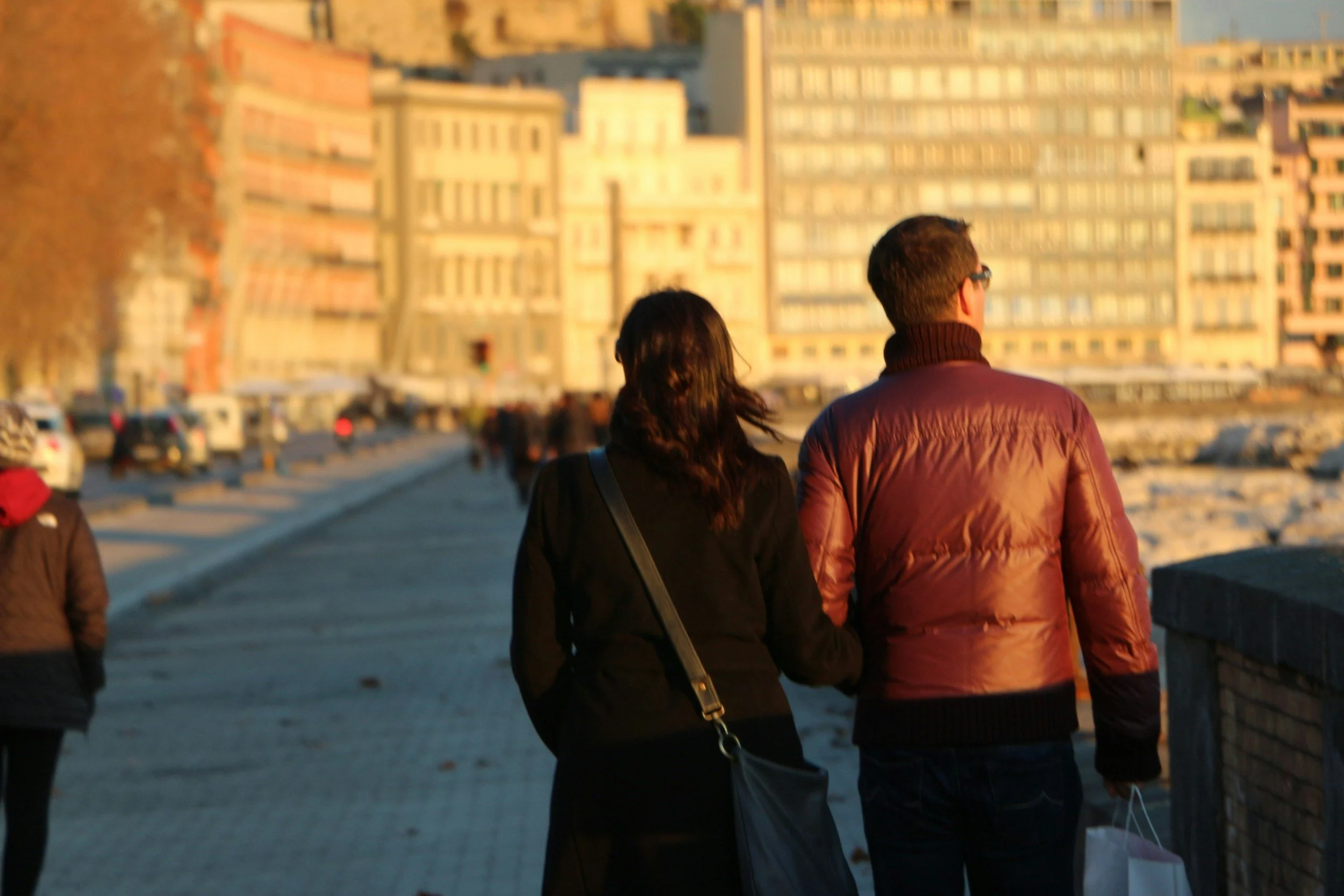
The courage to be seen is not about dramatic acts of vulnerability. More often than not, it grows through small moments, like saying, "I'm not sure”, or admitting you were hurt instead of pretending you weren't. Expressing a different opinion respectfully, asking for help before reaching exhaustion, setting a boundary without apologizing for having one, allowing yourself to be imperfect in front of someone you trust. These moments may seem ordinary, but they gently challenge the belief that authenticity inevitably leads to rejection. Each experience becomes new evidence that connection can survive honesty.
Courage Is Not Fearlessness
Many people wait until they feel confident before expressing themselves honestly, but courage has never depended on the absence of fear. Courage is choosing to remain present while fear is still there. It is noticing the impulse to perform, please, withdraw, or protect and responding with a little more awareness and a little more choice. No one becomes completely free from self-protection, nor should they. Healthy boundaries remain essential. Discernment matters. Not everyone has earned access to our inner world. The goal is not complete openness, but greater freedom to decide when protection serves us and when it quietly prevents the connection we most long for.
A Practice, Not a Destination
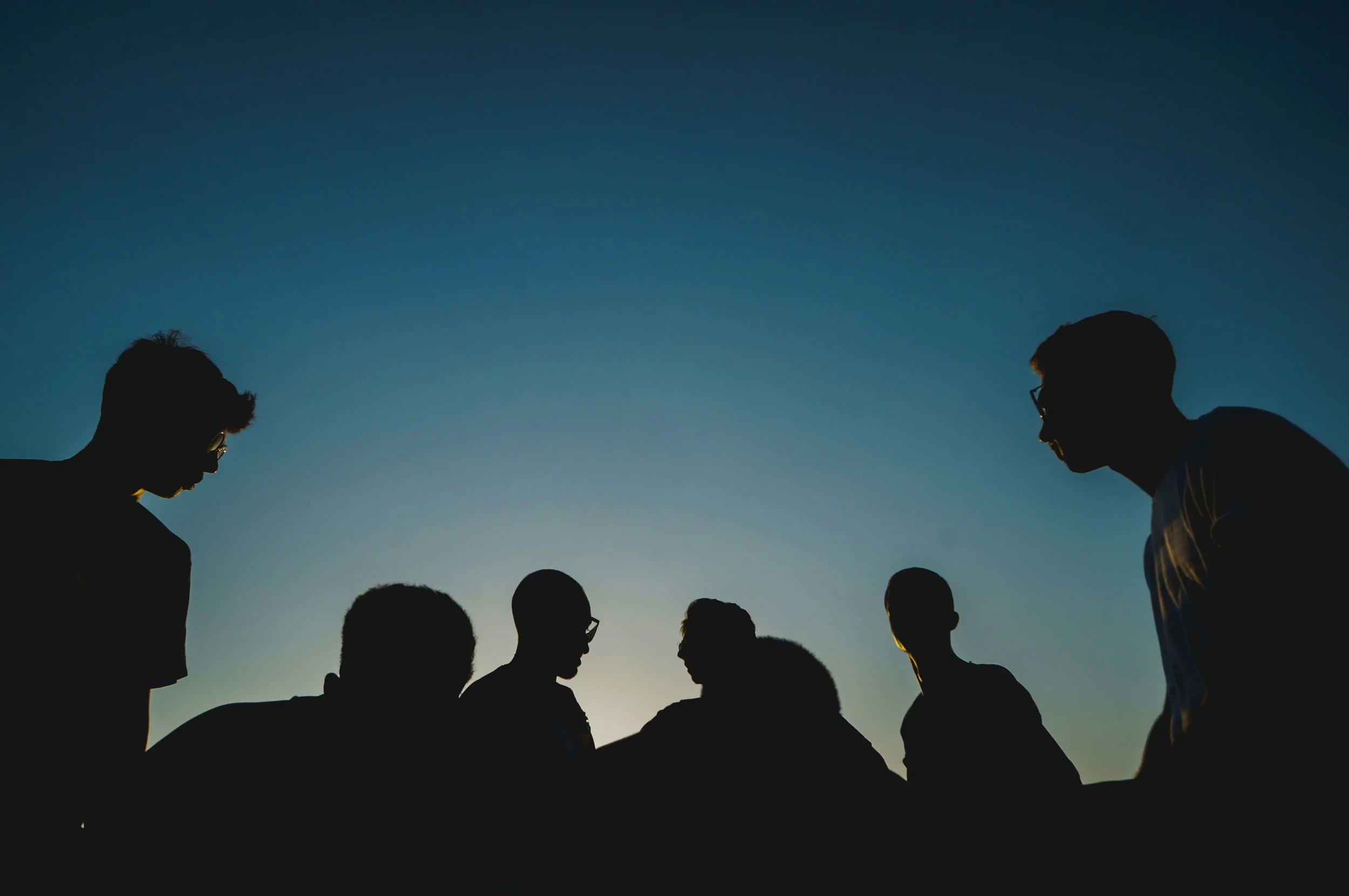
The courage to be seen is not a personality trait that some people naturally possess, it is a practice. One conversation at a time, one boundary at a time, one honest sentence at a time. It’s a willingness to let go of the exhausting work of constantly managing how we appear.
Authenticity is not about becoming someone new, it is about gradually removing the distance between who you are and who the world gets to meet. That distance may never disappear completely. But every step toward reducing it makes genuine connection a little more possible for yourself, and for the people around you.
Continue the Conversation
If this article resonates with you, you may enjoy The Art of Deeper Connection, which explores the conditions that allow meaningful relationships to grow, or The Courage to Be Seen, our experiential two-day workshop at Sacred Grounds CNX. Through guided exercises, reflective practices, and carefully facilitated conversations, participants explore the protective patterns that keep them hidden and develop the confidence to show up with greater authenticity, clarity, and presence.