How to Start a Men's Circle: The Complete Guide to Creating a Safe and Meaningful Men's Group
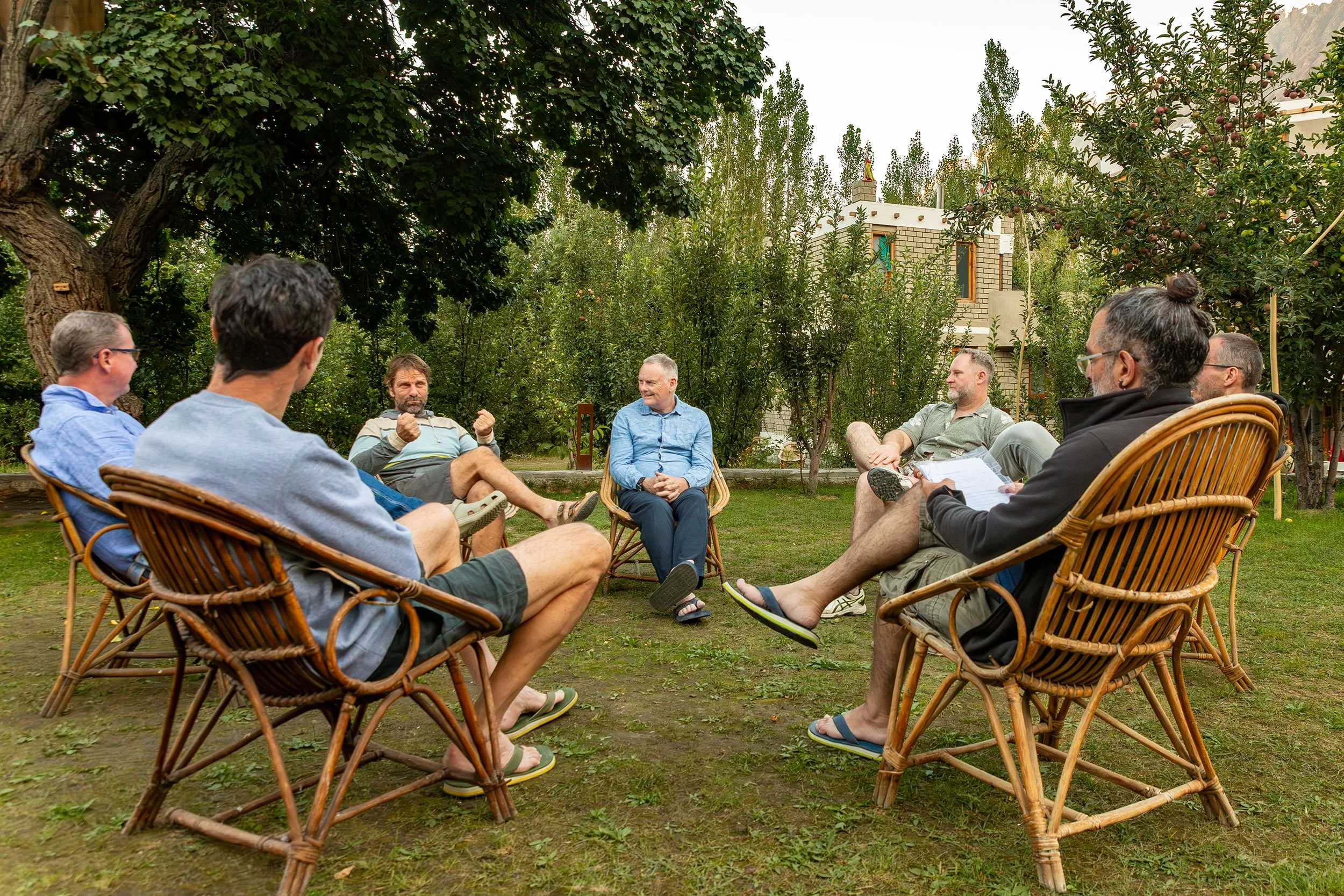
There has never been a greater need for genuine connection between men. Across the world, more men are looking for spaces where they can speak honestly, be listened to without judgment, and build meaningful relationships with other men. As a result, men's circles are becoming increasingly popular, not as some kind of group therapy, religion, or self-help groups, but as places where depth, authenticity, accountability, and brotherhood can grow.
Perhaps you've attended a men's circle and thought, I'd love to bring something like this to my own community. Or maybe you've never experienced one but feel called to create a space where men can slow down, connect, and support one another. The good news is that starting a men's circle is relatively simple. Creating one that men genuinely want to return to is where the real work begins. This guide will walk you through the essential foundations of building a men's circle that is safe, engaging, and sustainable.
What Is a Men's Circle?
A men's circle is a structured gathering where men come together regularly to explore their lives through honest sharing, deep listening, reflection, and mutual support.
Unlike casual social gatherings, the purpose is not entertainment, networking, or debate. The focus is on creating a space where each man can speak openly about his experiences while others actively listen, with respect and curiosity, rather than trying to fix or advise him.
Every circle develops its own culture, but most share several common qualities:
Confidentiality
Active listening
Equal opportunity to share
Personal responsibility
Depth and authenticity over performance
A well-facilitated circle creates something many men rarely experience elsewhere: the opportunity to be fully themselves.
Why Men's Circles Matter More Than Ever
Modern life offers countless ways to stay connected digitally on the surface, while often becoming increasingly disconnected on a deeper level. Many men have colleagues, but few close friends. Many have responsibilities but little emotional support. Many feel pressure to appear capable while privately carrying stress, grief, uncertainty, or loneliness. A healthy men's circle offers among other things an antidote to isolation. It creates a consistent place where honesty becomes normal rather than exceptional, and strength is measured not by having all the answers, but by the willingness to show up authentically.

Clarify the Purpose of Your Circle
Before inviting anyone, ask yourself one important question: Why am I putting this Circle together? Without a clear purpose, can easily drift into casual conversation or become dominated by a few voices.
Your purpose might be:
Personal growth
Emotional wellbeing
Brotherhood
Accountability
Fatherhood
Leadership
Spiritual depth
Life transitions
Men's mental health
There is no single correct answer. And you may have more than one purpose in mind. The important thing is that the purpose is clear enough for potential participants to know what they're joining.
Decide Who the Circle Is For
Not every men's circle is for every man. Some groups welcome anyone over eighteen. Others are designed for fathers, entrepreneurs, veterans, young men, or men navigating divorce or retirement. Trying to create a circle for everyone can results in a circle that deeply serves no one. Be specific about who you hope to serve, as clarity often attracts commitment.
Choose the Right Setting
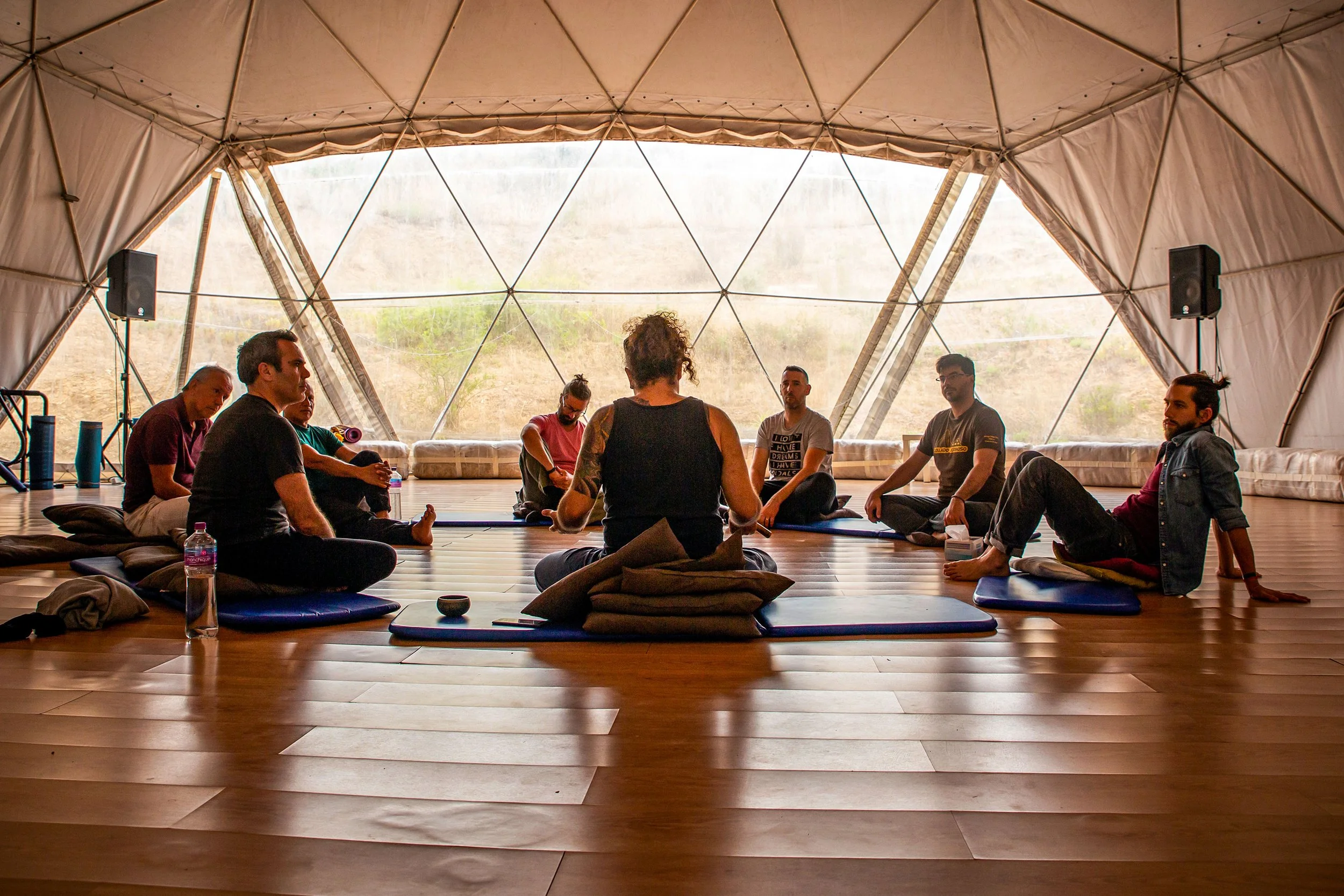
The environment matters more than many people realize. The ideal location feels private, calm, and free from outside interruption. Many successful circles meet in:
Yoga studios
Community centers
Quiet cafés after hours
Private homes
Retreat centers
Outdoor spaces
Arrange seating in an actual circle whenever possible, without tables or physical barriers, so that every participant becomes equally visible and an equal presence in the circle. Sitting in circle by itself communicates quietly that every man belongs.
Create Group Agreements
The agreements establish the container and emotional safety of the group. Rather than a long list of rules, begin with a few clear principles. Common agreements include:
Everything shared here remains confidential outside this circle.
Speak from your own experience.
Listen actively without interrupting.
Refrain from giving unsolicited advice.
Respect different perspectives.
Every man has the right to pass.
Reviewing these agreements at the beginning of each meeting helps establish consistency and trust.

Plan a Simple Structure
One of the biggest mistakes new facilitators make is assuming the conversation will naturally flow. Sometimes it does indeed. And often it doesn't. Having a simple structure provides enough guidance without becoming rigid. A typical 90-minute circle might include:
Opening (10 minutes)
A brief grounding practice, meditation, or moment of silence, followed by a reminder of the group's agreements.
Check-In Round (20-30 minutes)
Each participant shares how he is arriving today. No interruptions. No advice. Just listening.
Main Exploration (30-40 minutes)
Introduce a question or theme such as:
Where are you avoiding an honest conversation?
What is challenging you right now?
What are you carrying alone?
Allow the discussion to unfold naturally while ensuring everyone has an opportunity to contribute.
Closing Round (10-15 minutes)
Invite each participant to share one insight, one word, or one intention they are taking away. End with gratitude. Consistency helps men relax because they know what to expect.
Learn to Listen More Than You Speak
Many new facilitators believe they need to inspire, teach, or solve problems. In reality, one of the most valuable skills is knowing when not to speak. The facilitator's role is to create conditions where deeper conversations can emerge, not to become the center of attention. Practice asking open questions. Allow silence. Trust the group's wisdom. Some of the most powerful moments in a men's circle happen after a pause rather than after another question.
Prepare for Challenges
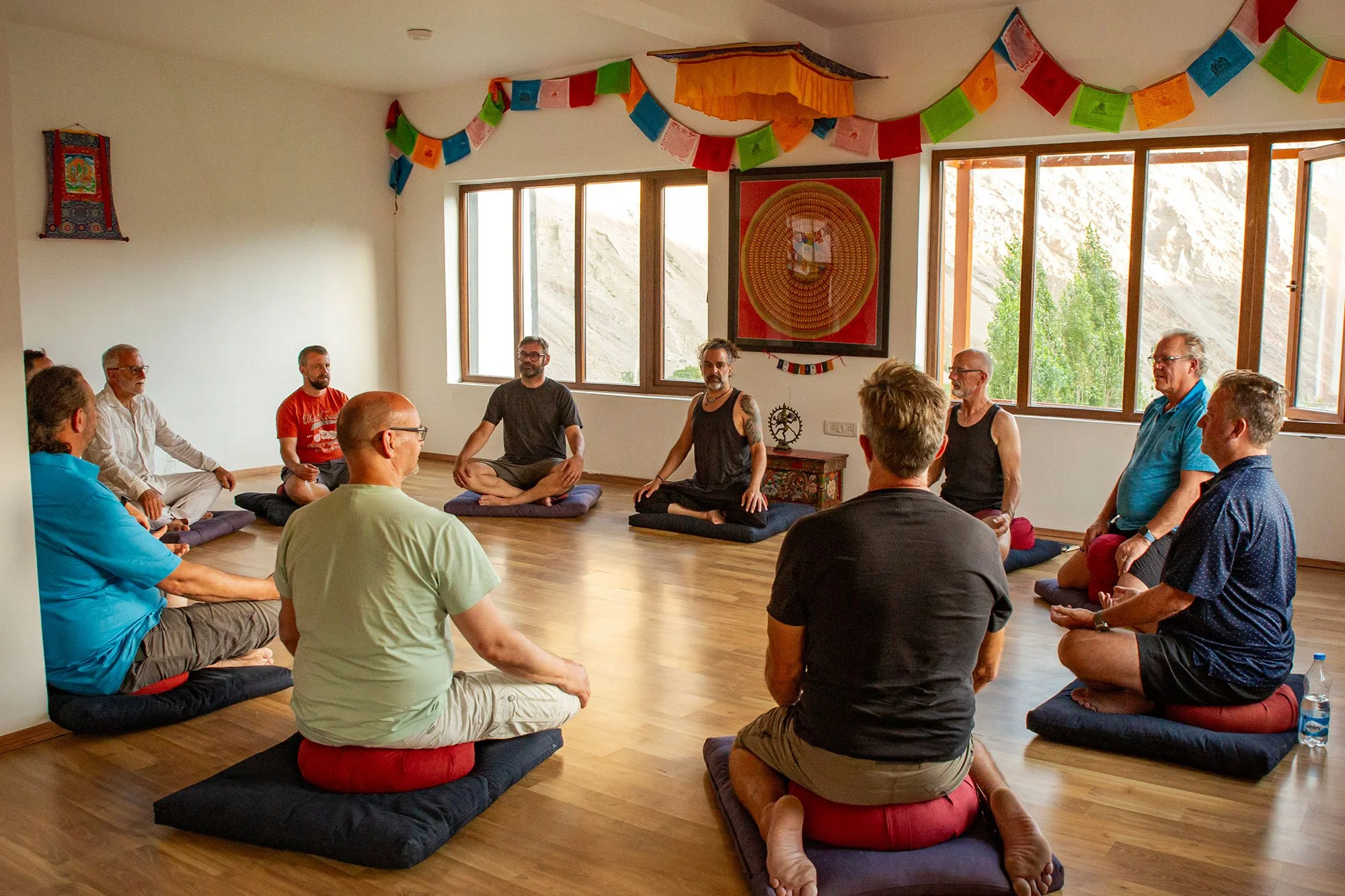
Every group encounters difficult moments. A man may dominate the conversation, or think the agreements don’t apply to him. Another man may get triggered. A disagreement may arise. None of these situations mean the circle has failed. They are part of working with human beings. The facilitator's role is not to eliminate discomfort but to help the group move through it with calm, clarity, and respect. This is where preparation, practice, and experience become invaluable.
Consistency Builds Community
One meeting rarely changes lives. Regular meetings build trust. Trust creates honesty. Honesty can promote inner awareness. Inner awareness can lead to small changes. Small changes can lead to transformation. Whether your circle meets weekly, every other week, or even monthly, choose a rhythm you can realistically maintain. Men are far more likely to return when they know the circle is dependable.
Your First Circle Doesn't Need to Be Perfect
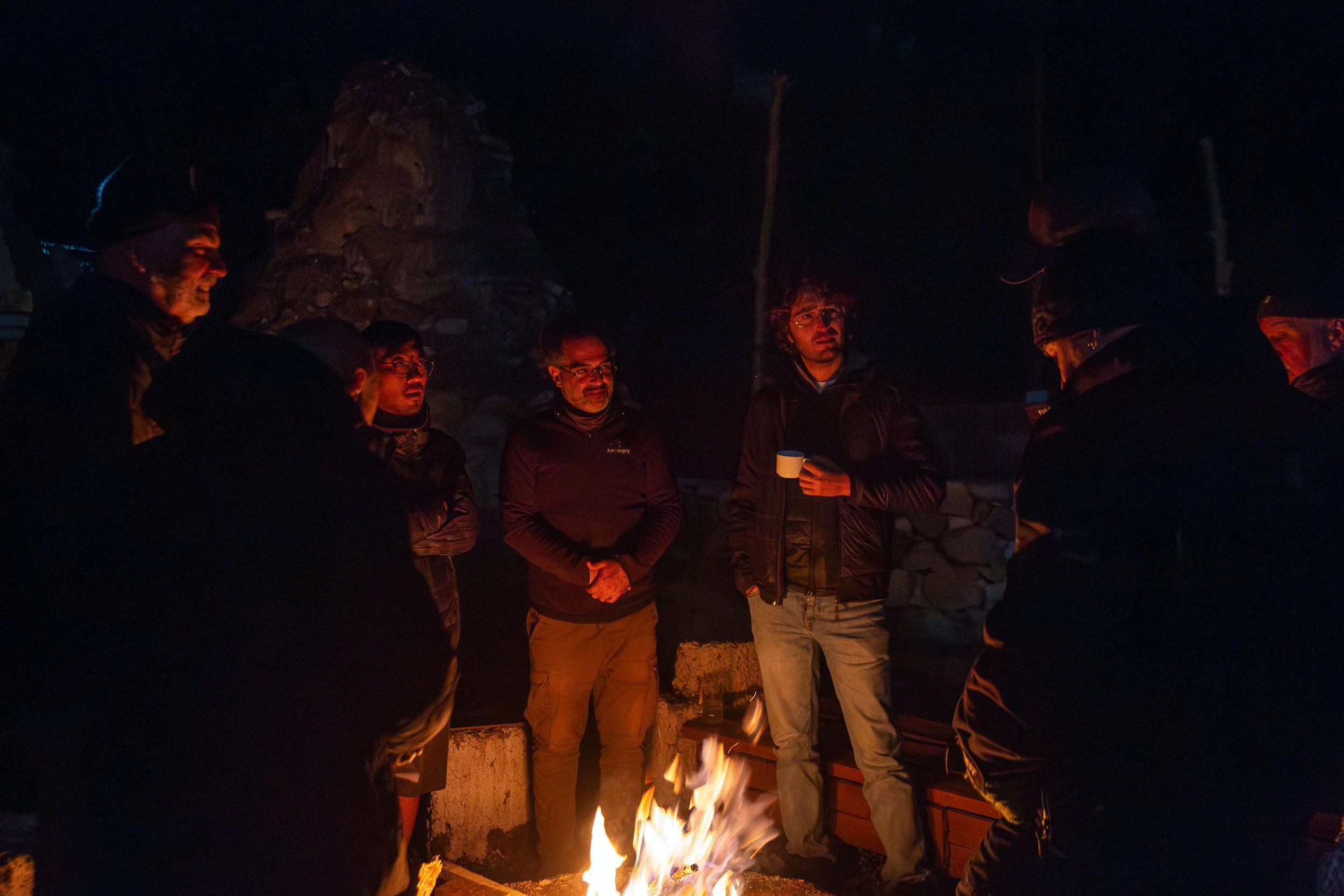
Many aspiring facilitators postpone starting because they feel they need more experience. The truth is that every skilled facilitator began exactly where you are now. Your first circle will teach you lessons that no “how to“ article can. At the same time, facilitating meaningful groups involves far more than choosing good questions. It requires understanding group dynamics, emotional safety, healthy boundaries, conflict, and how to respond when conversations become challenging. These are practical skills that develop through experience, feedback, and training.
Final Thoughts
A men's circle is one of the simplest and potentially most transformative spaces you can create. It doesn't require expensive equipment, complicated techniques, or years of preparation. It begins with one man willing to bring others together with honesty, humility, and care. The circle itself may appear simple, but holding it well is a craft. Like any meaningful craft, it can be learned.
If you're ready not only to start a men's circle but to develop the confidence and practical skills to facilitate one with presence and integrity, The Circle Keeper – Men's Circle Facilitator Training in Chiang Mai, Thailand, offers five immersive days of in-person experiential learning, real practice, structured feedback, and mentorship designed to help you become the man who can truly hold the space.